2-million-year-old Hominid Fossils Reveal Revolutionary Discovery AboutTHE OLDEST Human On Earth

In a groundbreaking revelation that has electrified the scientific community, researchers have successfully extracted genetic information from hominid fossils dating back over two million years. This monumental achievement not only shatters previous records for ancient DNA retrieval but also offers an unprecedented glimpse into the genetic makeup of early human relatives, potentially reshaping our understanding of human evolution.

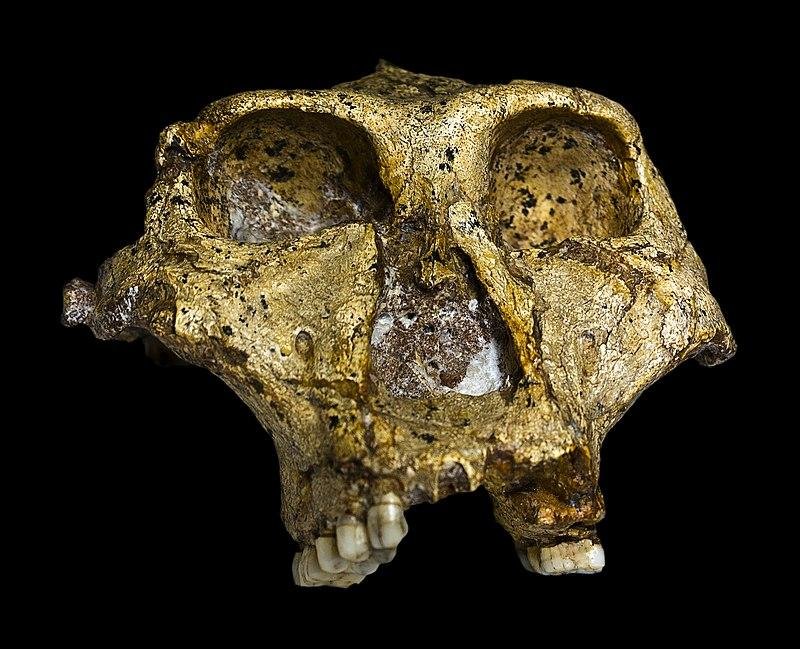
The fossils in question belong to Paranthropus robustus, a species that roamed the landscapes of South Africa during the Pleistocene epoch. Discovered in the Swartkrans cave, located approximately 40 kilometers northwest of Johannesburg, these teeth have been remarkably preserved, allowing scientists to delve into their ancient genetic codes. The Swartkrans site has long been a treasure trove for paleoanthropologists, yielding numerous fossils that have provided insights into early hominid behavior and morphology.

Traditionally, the retrieval of ancient DNA (aDNA) from African fossils has been fraught with challenges. The continent's warm climate accelerates the degradation of genetic material, making it exceedingly difficult to obtain viable DNA from specimens older than a few thousand years. Prior to this study, the oldest genetic data retrieved from an African hominid was approximately 18,000 years old. This new research catapults that benchmark back over two million years, marking a monumental leap in the field of paleogenomics.
The breakthrough was achieved through the analysis of dental enamel proteins, a method that has emerged as a powerful tool in the study of ancient specimens. Unlike DNA, proteins are more resilient to the ravages of time and environmental conditions. By employing a technique known as mass spectrometry, the research team successfully sequenced hundreds of amino acids from the enamel of four P. robustus individuals. This approach allowed them to reconstruct partial protein sequences, providing valuable genetic information that was previously thought to be beyond reach.

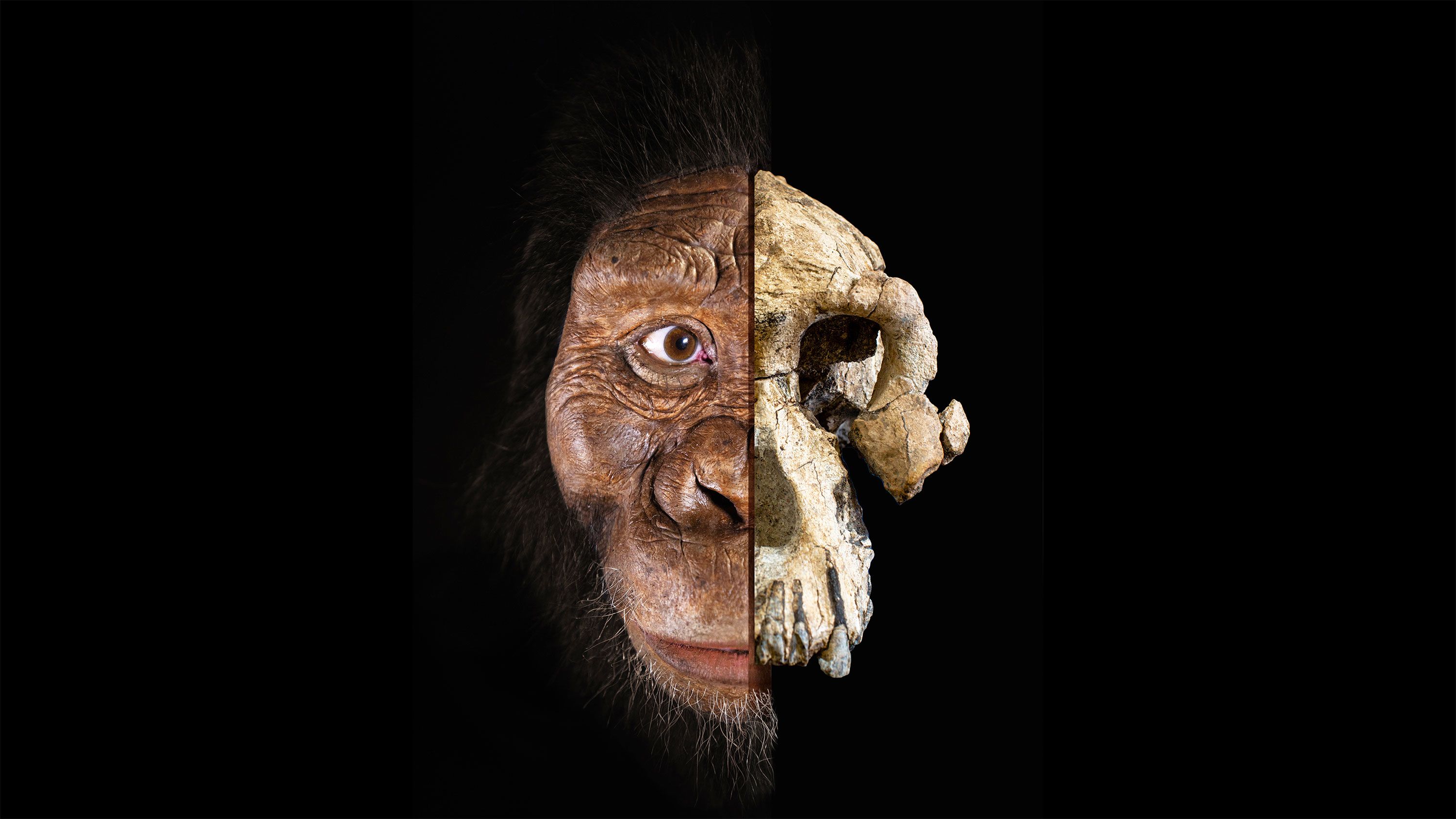
The implications of this discovery are profound. The protein sequences place Paranthropus within the hominin clade but as a distinct branch separate from the lineage that led to modern humans, Neanderthals, and Denisovans. This suggests that while P. robustus shares a common ancestor with these groups, it represents a unique evolutionary path that diverged early in the hominin story. Furthermore, the analysis revealed intriguing insights into the social structure of P. robustus. The identification of sex-specific proteins allowed researchers to determine the sex of the individuals, uncovering a potential case of sexual dimorphism within the species. One specimen, previously classified as female based on skeletal size, was identified as male through protein analysis, challenging assumptions about size and sex in early hominids.
This discovery also underscores the importance of interdisciplinary approaches in paleoanthropology. The integration of proteomics, genomics, and traditional fossil analysis provides a more comprehensive understanding of our evolutionary history. As techniques continue to advance, the potential for uncovering genetic information from even older specimens becomes increasingly plausible. This could open new windows into the distant past, offering insights into species that have long been enigmatic due to the paucity of genetic data.
However, the study is not without its limitations. While protein sequencing offers a viable alternative to DNA analysis in ancient specimens, it provides less comprehensive information than genomic data. Proteins can reveal relationships and certain functional aspects, but they lack the detailed genetic blueprints that DNA offers. Additionally, the recovery of ancient proteins is still subject to preservation conditions, and not all fossils will yield usable material.
The success of this research also highlights the significance of the Swartkrans site. The unique preservation conditions within the cave, including rapid burial and mineralization processes, contributed to the exceptional state of the fossils. This has provided a wealth of material for study, not only for P. robustus but also for other contemporaneous species. The site continues to be a focal point for understanding the complex web of hominin evolution in Africa.

Looking ahead, the methodologies employed in this study could be applied to other fossil sites across Africa and beyond. By expanding the scope of protein analysis, scientists may uncover genetic information from a broader range of species and time periods. This could fill critical gaps in the human evolutionary timeline, shedding light on how different hominin species adapted to their environments, interacted with each other, and ultimately gave rise to modern humans.
In conclusion, the extraction of genetic data from two-million-year-old Paranthropus robustus fossils represents a monumental advancement in the field of paleogenomics. It not only pushes the boundaries of what is possible in ancient DNA research but also provides invaluable insights into a previously obscure branch of the human family tree. As techniques continue to evolve, we can anticipate even more revelations that will deepen our understanding of human origins and the intricate tapestry of life that has unfolded over millions of years.


Comments
Post a Comment