Scientists Discover 280-MILLION-YEAR-OLD Forest in Antarctica! WHEN and HOW?

Antarctica, the coldest and most desolate continent on Earth, is often thought of as an uninhabitable wasteland, covered in ice and battered by relentless winds. With only a small human population of researchers and a few hardy species such as penguins and seals, it seems unimaginable that this frozen expanse was once a thriving, green land filled with forests and ancient life. However, new fossil discoveries are rewriting the history of Antarctica, proving that millions of years ago, it was warm, lush, and teeming with life.

Recent scientific expeditions have uncovered 280-million-year-old tree fossils, providing direct evidence that Antarctica was once covered in dense forests. These trees thrived long before Antarctica became the icy wasteland we know today. But how did this dramatic transformation take place? To understand what happened, we must go back in time—to an era when Antarctica was part of the supercontinent Gondwana.
Before it was an isolated, ice-covered landmass, Antarctica was once at the center of Gondwana, a massive supercontinent that included South America, Africa, Madagascar, Australia, Arabia, and India. Formed over 500 million years ago, Gondwana existed in a much warmer climate and supported an incredible diversity of life.
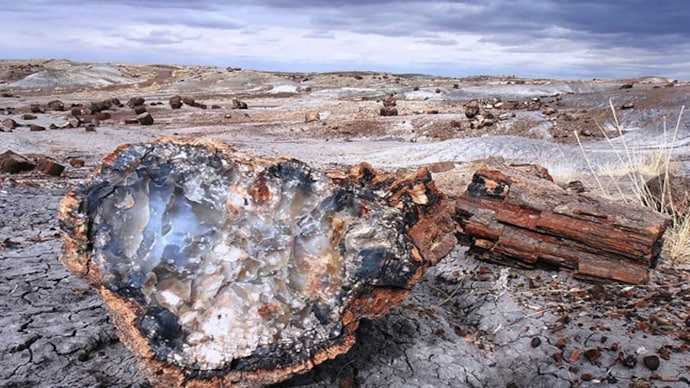
During this period, Antarctica was much farther north, meaning it had a mild, tropical, or temperate climate. Fossil evidence shows that this ancient version of Antarctica was home to forests, ferns, seed plants, and even marine invertebrates like trilobites. The continent was lush and swampy, resembling modern rainforests more than today’s barren, frozen landscape.
However, everything changed when Gondwana began to break apart. Over millions of years, shifting tectonic plates and changing ocean currents dramatically altered the continent’s climate. These geological changes triggered the first formation of ice in Antarctica, marking the beginning of the end for its once-thriving ecosystems.

The first signs of Antarctic cooling appeared when the continent began separating from Australia and New Guinea during the Eocene epoch, around 45 million years ago. As Antarctica drifted southward and settled at the bottom of the world, its climate became increasingly extreme.
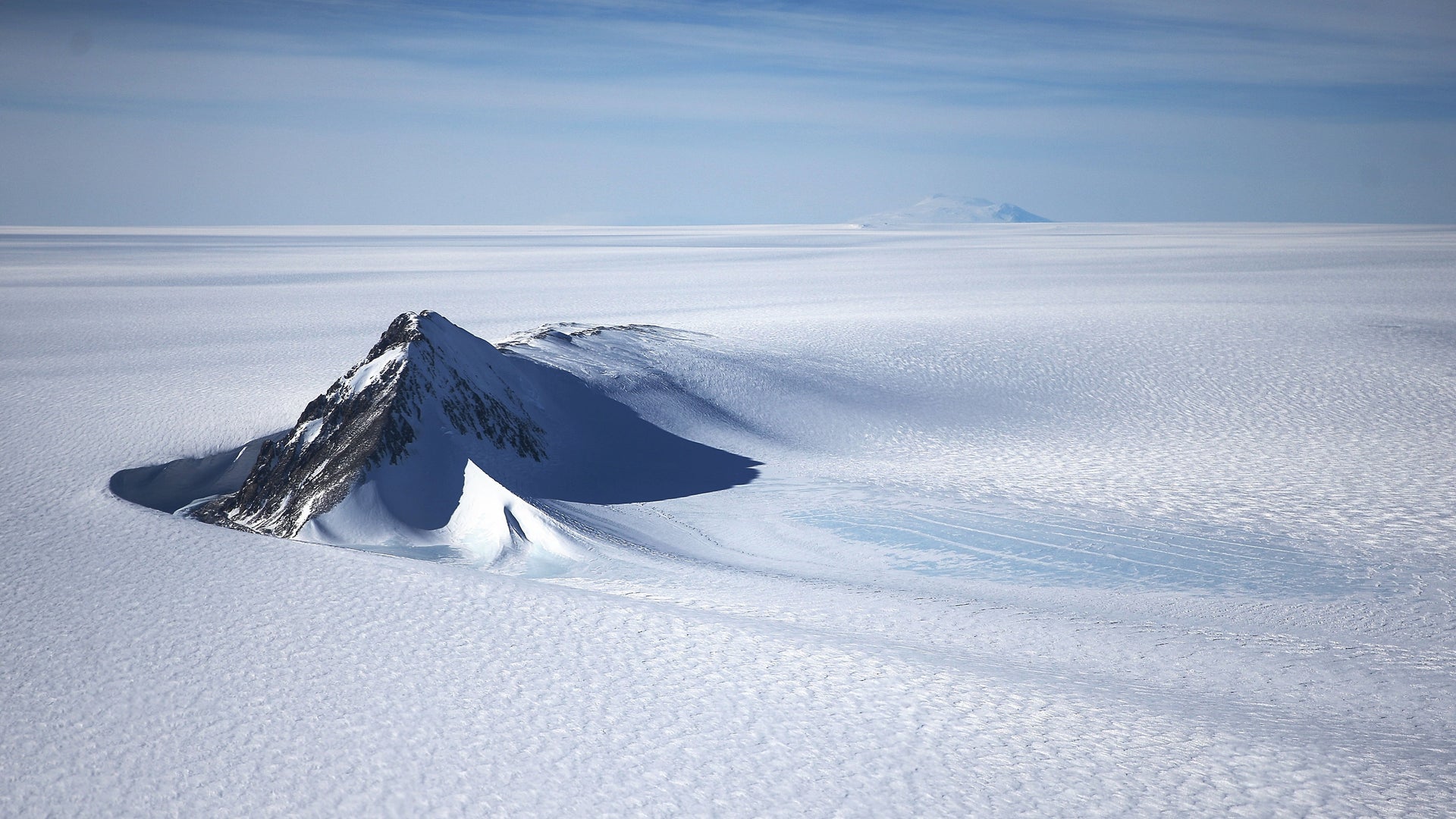
By 34 million years ago, the continent was permanently covered in ice, transforming into the frozen wilderness we recognize today. This transition was largely driven by shifts in oceanic currents, particularly the formation of the Antarctic Circumpolar Current, which isolated Antarctica and cut it off from warm ocean waters.
Scientists believe that this climate shift was not only a result of natural changes but may have also been influenced by mass extinction events. Many researchers suggest that Antarctica’s forests disappeared due to the Permian-Triassic extinction event, one of the most devastating extinctions in Earth’s history. This event, which wiped out 70-90% of marine and terrestrial species, was likely triggered by massive emissions of greenhouse gases.
The discovery of ancient fossil forests in Antarctica is more than just a fascinating glimpse into the past—it offers crucial insights into how climate change affects life on Earth. By studying these preserved forests, scientists can better understand the relationship between greenhouse gases, global temperatures, and mass extinctions.
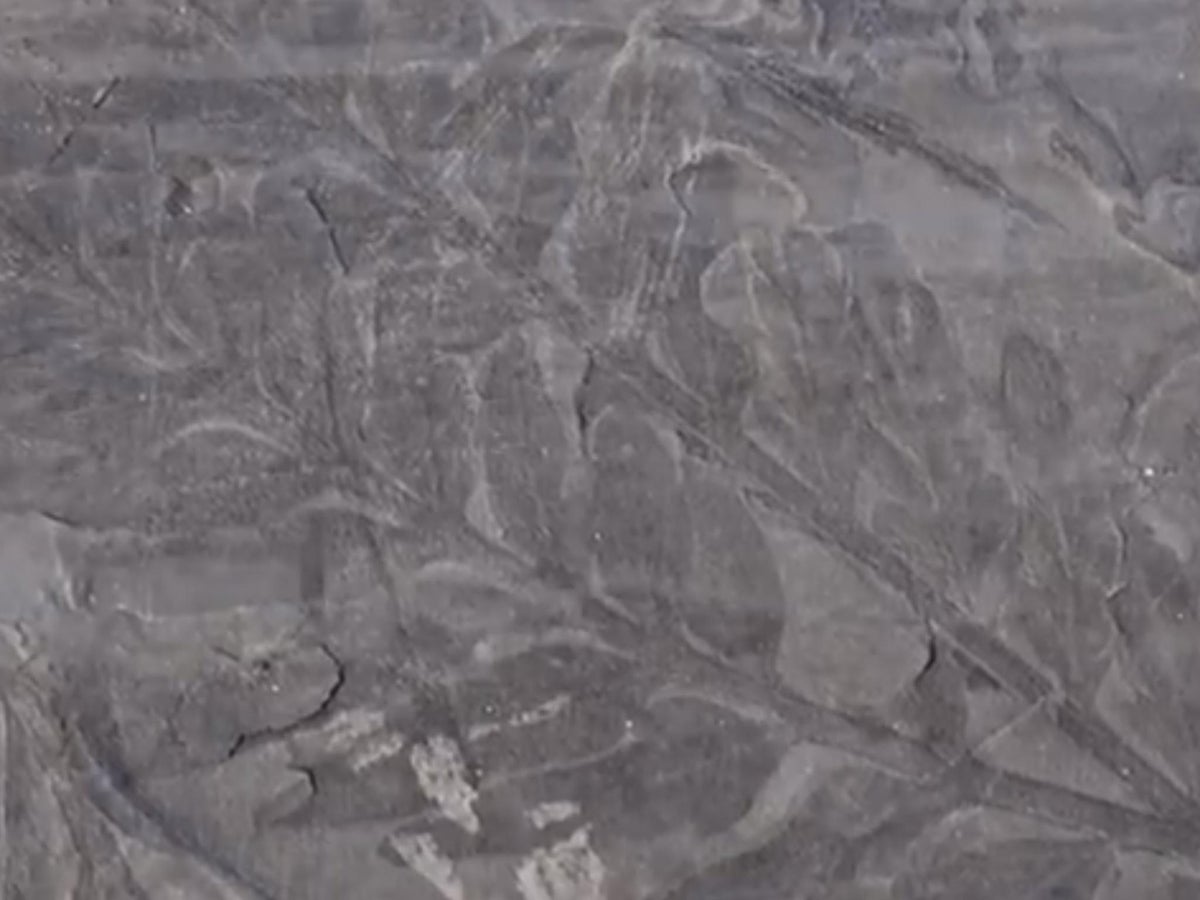
These fossils provide a direct record of a time when Earth's climate dramatically shifted, helping researchers predict how modern climate change might impact our planet. If rising carbon emissions continue to alter the climate, Antarctica’s past may hold important clues about Earth's future.
Antarctica may be an icy desert today, but beneath its glaciers, remnants of an ancient world remain buried. Fossilized forests, long-extinct species, and even potential traces of ancient ecosystems lie hidden beneath the continent’s frozen surface.
Scientists believe that as climate change melts more ice, even more prehistoric secrets may be uncovered. Could there be fossilized animals, ancient rivers, or even unknown species waiting to be found? With continued exploration, Antarctica may reveal more about Earth’s past than we ever imagined.
For now, the 280-million-year-old tree fossils stand as undeniable proof that Antarctica was once a land of warmth, forests, and life—a stark contrast to the frozen world we see today.


Comments
Post a Comment