Archaeologists Reveal Incredible Secrets of Royal Shipwreck Sunk in Explosion

Marine archaeologists have begun revealing the secrets of a 15th-century Danish royal warship that mysteriously sank in 1495. The Gribshunden, the personal flagship of King Hans of Denmark and Norway, went down in the Baltic Sea while anchored off the coast of Ronneby, Sweden, as the monarch attended a political summit in Kalmar.
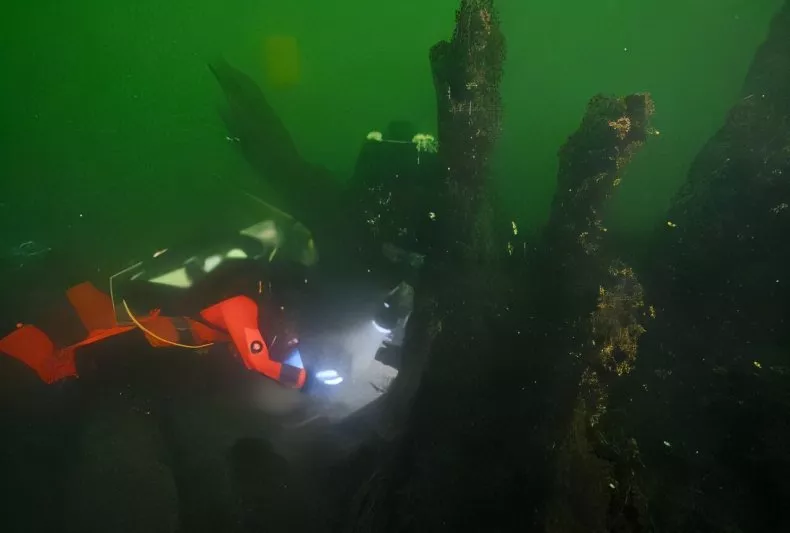
Local divers first discovered the wreck in the early 1970s, but it only captured serious archaeological interest in 2001. Excavations have accelerated in recent years, revealing an extraordinary array of artifacts that provide insight into the ship’s military, administrative, and cultural significance. Marine archaeologist Brendan Foley of Sweden’s Lund University called the site "fascinating" and emphasized that some of the discoveries are unprecedented.
The Gribshunden was essentially a floating fortress, representing an early stage in the evolution of gunpowder-based naval warfare. It is one of the best-preserved shipwrecks from its time, thanks to the low salinity of the Baltic Sea, which has prevented shipworms from destroying the vessel’s wooden structure. The ship belonged to the first generation of artillery-carrying warships that enabled European expansion and long-distance voyages.

Despite having excavated only 2 percent of the site, Foley and his team have already recovered enough artifacts to keep researchers busy for years. Among their findings are several intact wooden crossbows, early handguns, and a purse filled with silver coins. These items highlight the vessel's dual purpose as both a military stronghold and a center for economic and political operations.
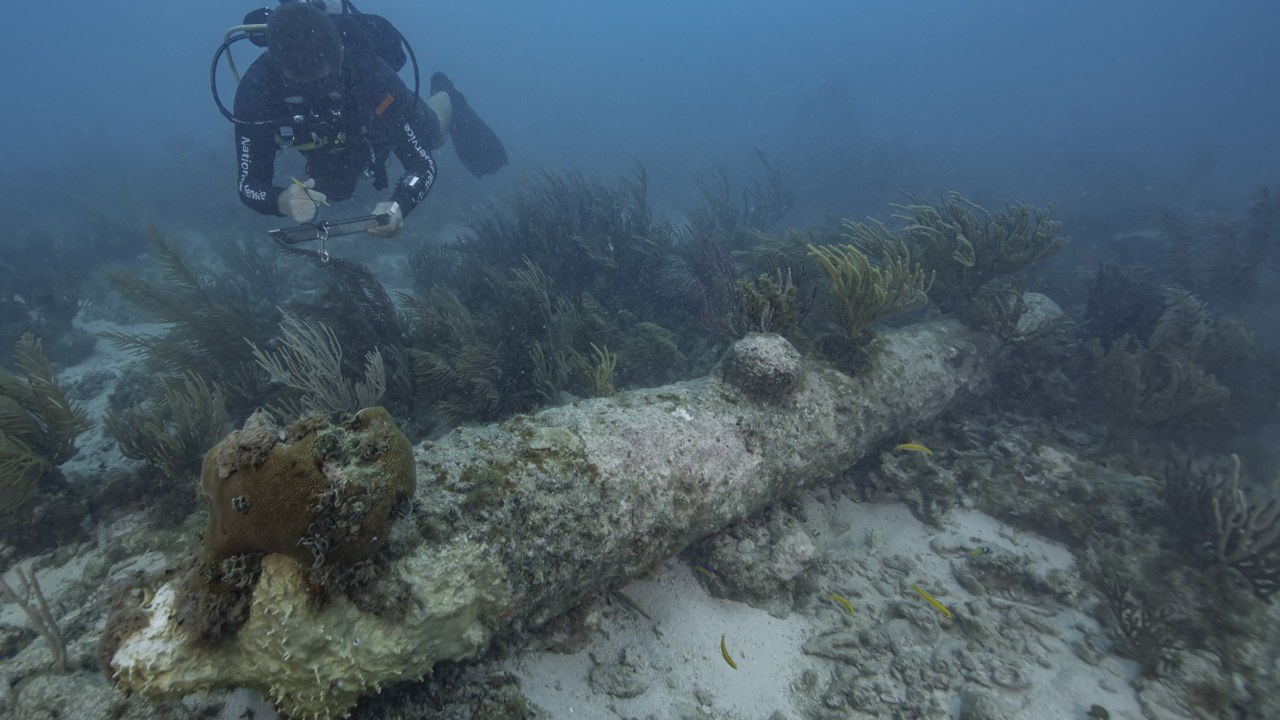
One of the most remarkable discoveries is an assortment of exotic spices belonging to King Hans. The collection includes cloves, ginger, peppercorns, and large lumps of saffron—valuable commodities sourced from distant regions such as modern-day Indonesia. These luxury goods underscore the ship’s role in trade and diplomacy during the late medieval period.
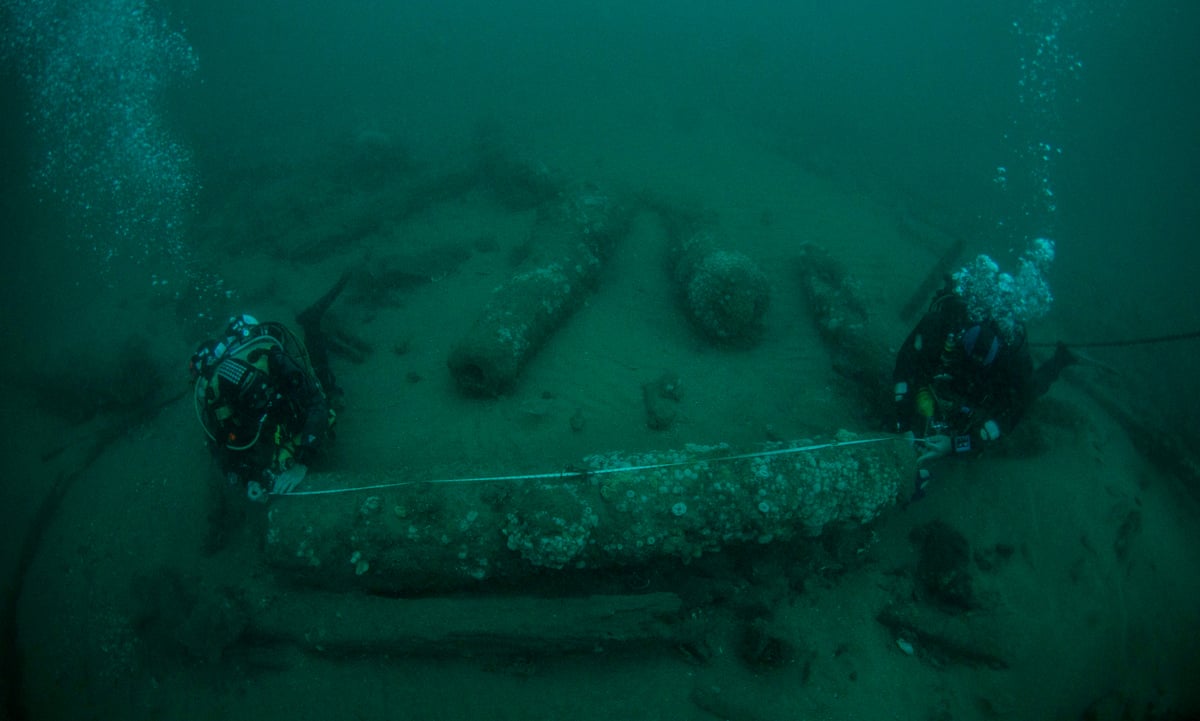
In a particularly unusual moment, Foley attempted to retrieve a wooden tankard, only to find it unexpectedly buoyant. The cup, made from a single piece of alder wood and decorated with a carved crown, contained gas from the decomposed beer or mead it originally held. "I hadn't seen an artifact try to escape before. I had to hold it down!" Foley joked.

For archaeologists, the true value of the Gribshunden lies not just in the physical artifacts but in the historical narratives they reveal. "Shipwrecks are like telephone calls—they’re packets of information," Foley explained. "And with the right technology and the right experts and insights, we can eavesdrop on these ancient telephone calls and reconstruct that conversation."

With so much of the wreck still unexplored, archaeologists anticipate even more groundbreaking discoveries. The artifacts recovered so far paint a vivid picture of life on board a royal warship at the dawn of Europe's naval expansion. The continuing excavation of the Gribshunden promises to shed further light on the political, economic, and technological landscape of the late 15th century.


Comments
Post a Comment