Archaeologists Unearth Bones from More than 10 Human Inside a Cave, Shed Light on DARK SECRET

Archaeologists have uncovered a groundbreaking discovery in Morocco’s Taforalt Cave, also known as Grotte des Pigeons, revealing over ten human skeletons that challenge previous beliefs about prehistoric migration and cultural exchange. Advanced genetic analysis has provided new insights into the ancestry of these individuals, revealing a complex mix of populations and shedding light on human movement in North Africa over 15,000 years ago. These findings suggest that early populations in the region were far from isolated but were part of a dynamic network of migration and interaction.

The remains belong to the Iberomaurusian culture, a group of hunter-gatherers that thrived in North Africa between 25,000 and 11,000 years ago. Excavations at Taforalt have provided significant evidence of a highly sophisticated society with burial customs and technological advancements that indicate complex social behaviors. The discovery of ornaments, such as beads made from marine shells and animal horns, suggests symbolic or ritualistic practices that likely reflected spiritual beliefs or social status. These findings challenge the idea that early hunter-gatherers in the region lived in simple, isolated groups, instead highlighting a society with deep cultural traditions.
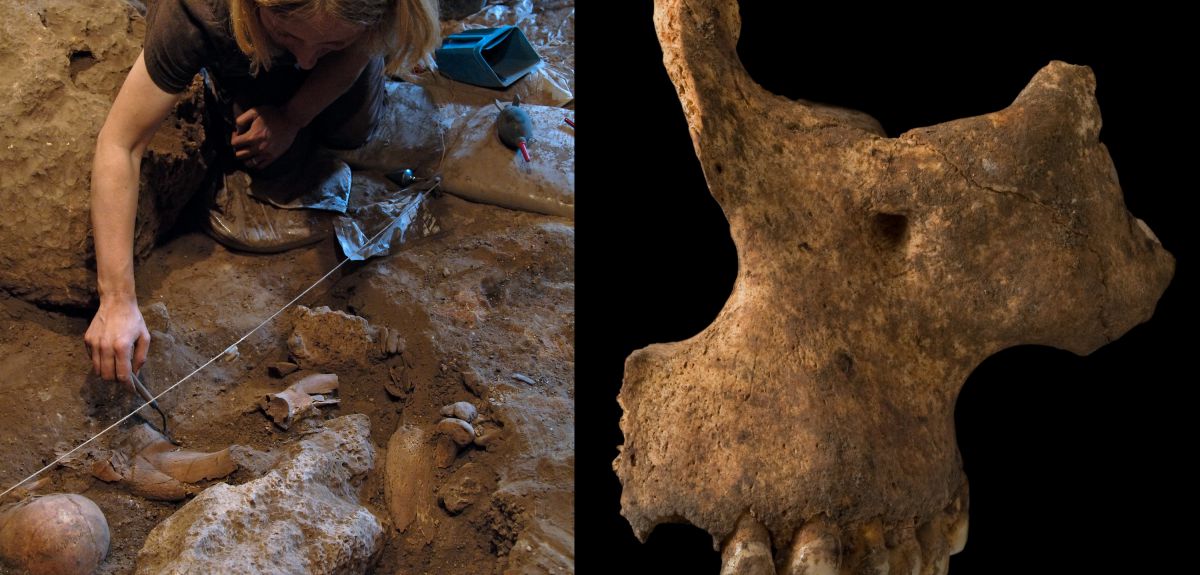
Genetic analysis of the Taforalt individuals has revealed a surprising ancestry. Approximately 63.5% of their genetic material is linked to Near Eastern populations, particularly the Natufians from the Levant, while the remaining 36.5% comes from sub-Saharan African lineages. This unexpected genetic diversity suggests that North Africa was a crucial crossroads for human migration much earlier than previously thought. The presence of Near Eastern ancestry points to long-term interactions between populations in North Africa and the Levant, possibly through migration, trade, or cultural exchanges.

Taforalt Cave is one of the oldest known burial sites in Africa, with evidence of complex funerary practices. Individuals were buried in seated positions and adorned with ornaments, indicating a belief in an afterlife or ritual significance in burial. These customs suggest a structured society with established traditions, reinforcing the idea that the Iberomaurusians were not simply hunter-gatherers focused on survival but had cultural and spiritual dimensions to their lives. The careful placement of personal adornments also implies social differentiation or group identity, showing a more sophisticated understanding of community dynamics.
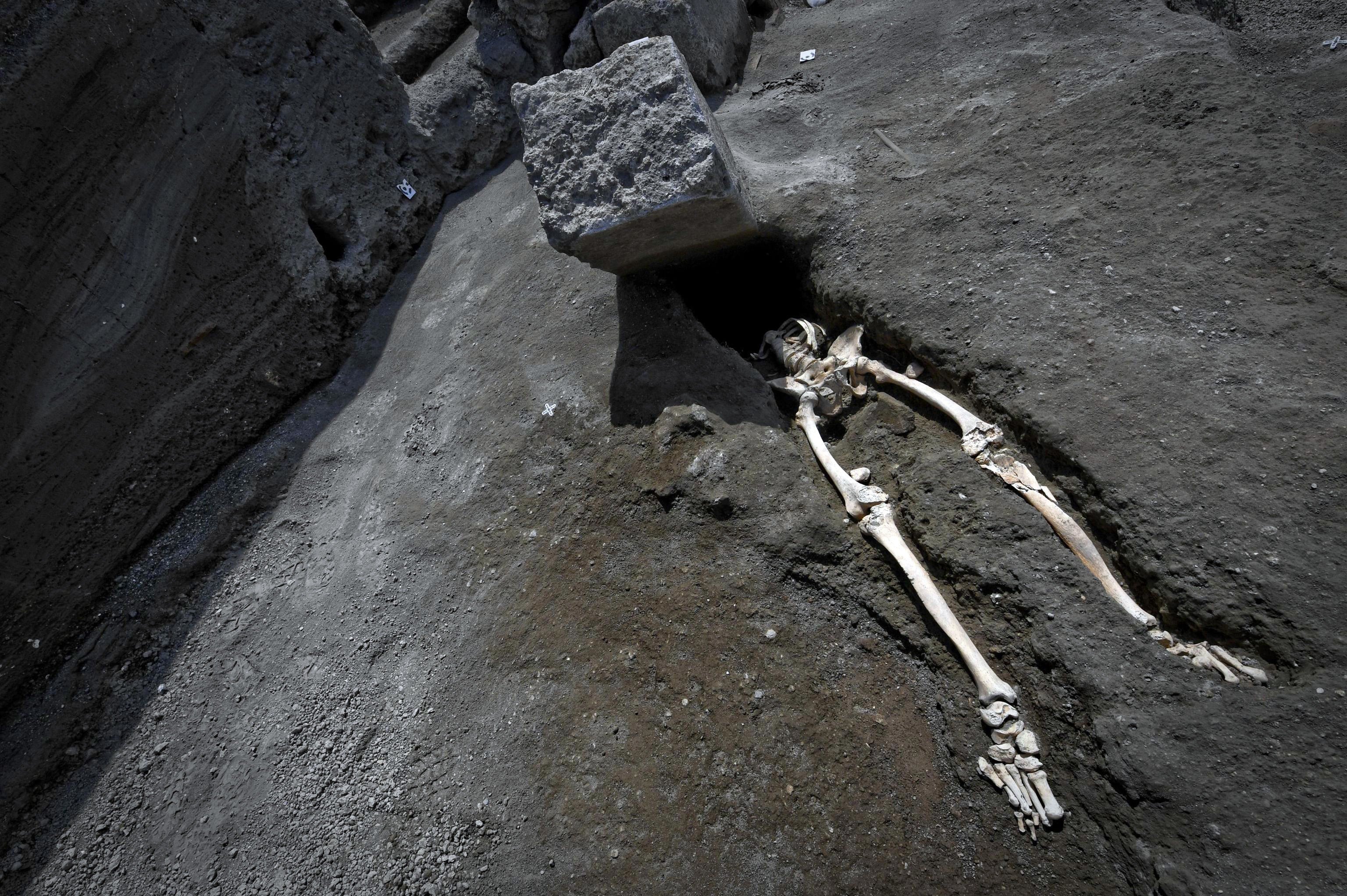
The Iberomaurusian people were also highly skilled in tool-making, particularly in microlithic technology. They crafted small, finely shaped stone tools that were likely used as components of arrows, spears, and other hunting implements. These microliths, made with precision, demonstrate an advanced knowledge of material properties and craftsmanship. The consistency in these tools across different regions suggests that knowledge was shared and passed down through generations, pointing to a structured learning process within their communities.

The discovery at Taforalt has significant implications for our understanding of human migration. The genetic diversity in these ancient individuals indicates that North Africa was not an isolated region but a hub of interaction between African and Near Eastern populations. This challenges the traditional view that North African populations evolved independently, instead positioning the region as a key player in prehistoric human movement. These findings open new questions about how migration patterns shaped the development of early societies and how cultural and technological exchanges influenced their evolution.
Extracting and analyzing ancient DNA in Africa is particularly challenging due to the warm climate, which accelerates DNA degradation. The successful sequencing of genetic material from Taforalt represents a major breakthrough, as the DNA samples from ear bones are the oldest human genetic material ever recovered in Africa. This achievement proves that even in difficult environments, ancient DNA can provide invaluable information about early human history and migration.

Moving forward, researchers plan to expand their studies beyond Taforalt to examine other sites across North Africa. By combining genetic data with archaeological evidence, they aim to create a more complete picture of prehistoric human diversity, migration, and adaptation. These discoveries challenge conventional narratives and highlight North Africa as a region of significant movement, cultural exchange, and innovation. As research continues, more insights will likely emerge, further reshaping our understanding of ancient human history.


Comments
Post a Comment