How the Soviets accidentally discovered the 'Gates of Hell' in the deepest hole on earth

For centuries, humans have explored the oceans, the skies, and even outer space, yet when it comes to what lies beneath our own feet, our knowledge remains surprisingly limited. The classic diagram of Earth's layers we learned in school may not be as accurate as we once believed, and a Soviet-era drilling experiment, known as the Kola Superdeep Borehole, has only added to the mystery.
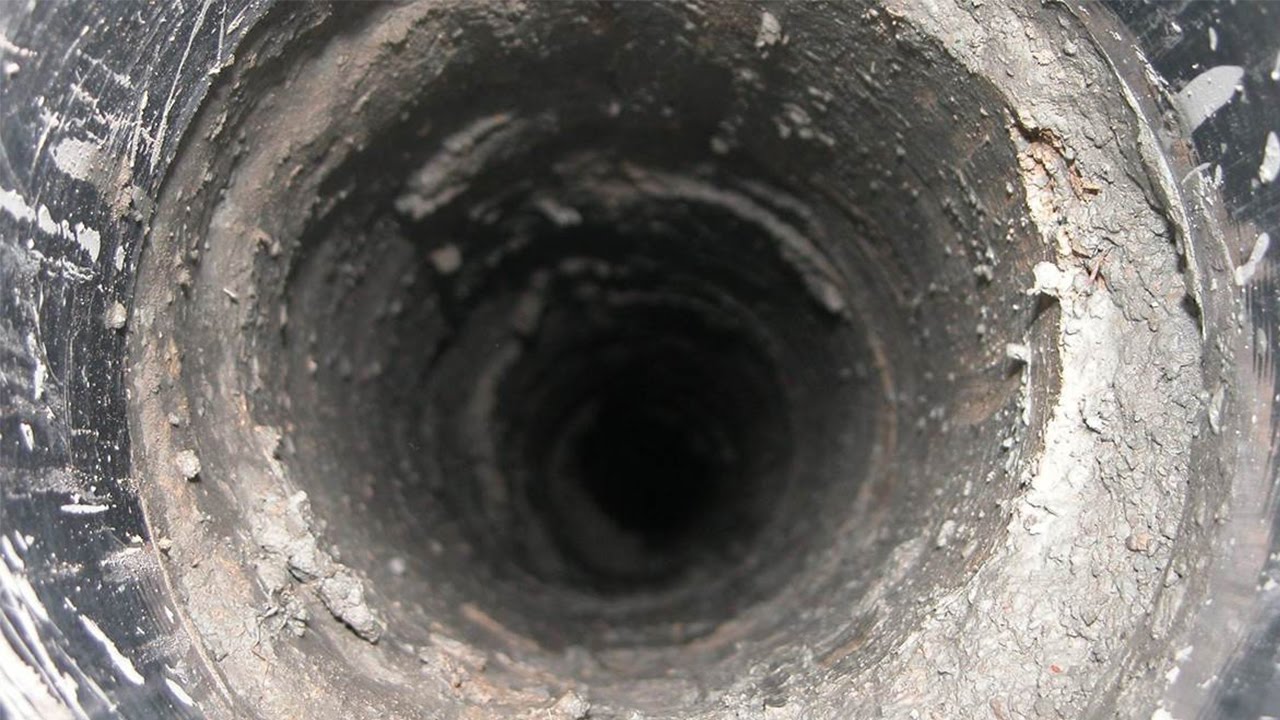
Despite all the technological advancements, the deepest humans have ever drilled is just 7.5 miles (12 km) into the Earth. That’s deeper than the deepest point in the ocean, but in the grand scheme of things, it’s barely scratching the surface—reaching only 0.2% of the distance to the Earth’s core. What scientists discovered at that depth, however, challenged fundamental geological theories and even sparked bizarre rumors of drilling into hell itself.
While most people associate the Cold War with the space race, there was another competition happening at the same time—the race to drill deeper into the Earth than ever before. In the late 1950s and 1960s, both the United States and the Soviet Union launched projects to explore the depths of our planet. The U.S. initiated Project Mohole in 1961, with the goal of reaching the Mohorovičić discontinuity, or the Moho, which marks the boundary between the Earth's crust and mantle. However, due to a lack of funding, the project was abandoned after just five years.

The Soviets, on the other hand, were far more successful. In 1970, Soviet scientists began drilling on the Kola Peninsula in Russia, and over the next two decades, they dug deeper than any human had before. By the time the project was halted in 1994, they had reached a depth of 7.5 miles (12 km)—creating the deepest artificial hole on Earth.

As the drilling progressed, scientists encountered unexpected geological surprises that forced them to rethink existing theories. One of the most groundbreaking discoveries was that an entire layer of Earth's crust that scientists expected to find simply didn’t exist. It had long been believed that there was a transition from granite to basalt between 3 and 6 miles below the surface, but instead, the basalt layer extended much deeper than anticipated. This raised questions about the accuracy of seismic reflection data used to study Earth’s internal structure.

Another shocking find came at 4.3 miles (7 km) deep, where researchers found water trapped in cracks within solid rock. It had been widely assumed that water couldn’t exist at such depths, yet there it was—likely formed by hydrogen and oxygen atoms being squeezed out of minerals under immense pressure. This revelation led scientists to reconsider how water might circulate within the Earth's crust, with potential implications for understanding subterranean ecosystems.
One of the most astonishing findings, however, was the discovery of microscopic fossils embedded in rocks over 2 billion years old. These ancient plankton fossils, surrounded by resilient organic compounds, had somehow survived the immense heat and pressure deep underground. This suggested that life had once existed in environments far more extreme than previously thought.
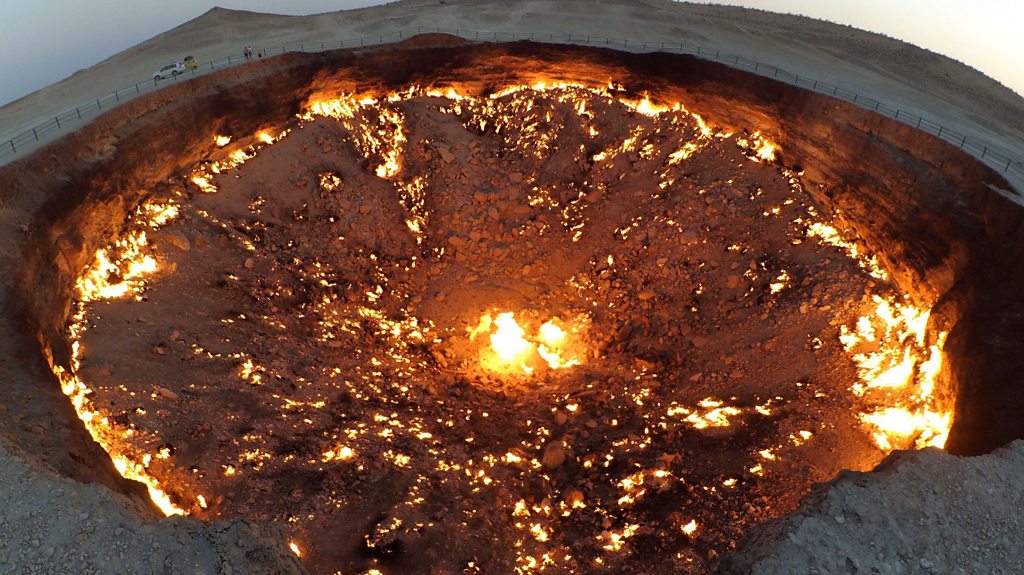
Despite the scientific breakthroughs, the Kola Superdeep Borehole project was ultimately abandoned in 1994. The main reason? Heat.
At the deepest point of the borehole, temperatures reached a scorching 356°F (180°C)—far hotter than expected. This extreme heat softened the surrounding rock, making drilling nearly impossible. The increased rock density and plasticity also created technical difficulties, as the rock behaved more like a thick, rubbery substance rather than solid stone.

Beyond the physical challenges, mystical and religious rumors began to spread. Some people speculated that the discovery of water deep underground validated the biblical story of Noah’s flood, suggesting that floodwaters had drained into subterranean sinkholes. Others took the legend even further, claiming that scientists had drilled so deep that they accidentally uncovered a gateway to hell, with some even insisting that terrifying screams of tortured souls had been heard from the depths.
While these stories are purely speculative, they highlight the sense of awe and fear that comes with venturing into the unknown.

The Kola Superdeep Borehole remains the deepest hole ever drilled, but it only scratches the surface of our planet. Even though we have mapped distant galaxies and sent spacecraft beyond our solar system, we still barely understand what lies beneath our feet.
With today’s advancements in technology and robotics, scientists are exploring new ways to study Earth's interior, including the possibility of using deep-sea drilling rigs to reach unexplored depths. However, reaching the mantle or the core—the ultimate goal—remains far beyond our current capabilities.

If given the opportunity, would you venture to the center of the Earth, even if there was no guarantee of coming back? Some might see it as the greatest scientific adventure in history, while others might prefer to look to the stars instead.
One thing is certain—whether beneath our feet or beyond our atmosphere, there is still so much left to discover.


Comments
Post a Comment