Scientists Are Bringing Back the Woolly Mammoth Sooner Than Expected

A team of researchers has achieved a critical breakthrough in the quest to bring back the woolly mammoth, marking what they call a significant milestone in the field of de-extinction. Colossal Biosciences, a Dallas-based biotech company, announced that its scientists have successfully created induced pluripotent stem cells for the Asian elephant, the woolly mammoth’s closest living relative. These specialized cells could pave the way for future cloning and genetic modifications aimed at reintroducing mammoth-like creatures into the wild.

Harvard and MIT geneticist George Church, co-founder of Colossal Biosciences, described the achievement as a major step in the company’s ambitious project. "This is kind of like asking Neil Armstrong if he plans to go to Mars—it kind of misses the point that he just landed on the moon," Church said, emphasizing that while there is still a long road ahead, this breakthrough is a crucial stepping stone toward their goal.

Woolly mammoths, a species of large, shaggy elephants adapted to icy environments, disappeared thousands of years ago. Using advanced cloning and gene-editing technologies, Colossal aims to resurrect not only mammoths but also other extinct species like the dodo bird. The latest development brings scientists one step closer to creating cold-resistant elephants with genetic traits similar to those of the mammoth, including thick fur and insulating fat layers.
Rather than aiming for an exact replica of the ancient mammoth genome, Church and his team are focused on producing an elephant-mammoth hybrid with enhanced adaptations. For instance, they are working on making these elephants resistant to the herpesvirus, a disease that threatens many young Asian elephants today. "We don’t necessarily need to bring back a perfect genome of a mammoth," Church explained. "We want one that has certain things mammoths didn’t have."
The project, however, has sparked controversy within the scientific community. Some researchers argue that reviving mammoth-like elephants is not only unnecessary but potentially harmful. Karl Flessa, a geosciences professor at the University of Arizona, questioned the purpose of such an endeavor. "What are you going to get out of this?" he asked. "A freak show in a zoo somewhere? And if you release a herd into the Arctic tundra, will they just march toward a second extinction due to global warming?"
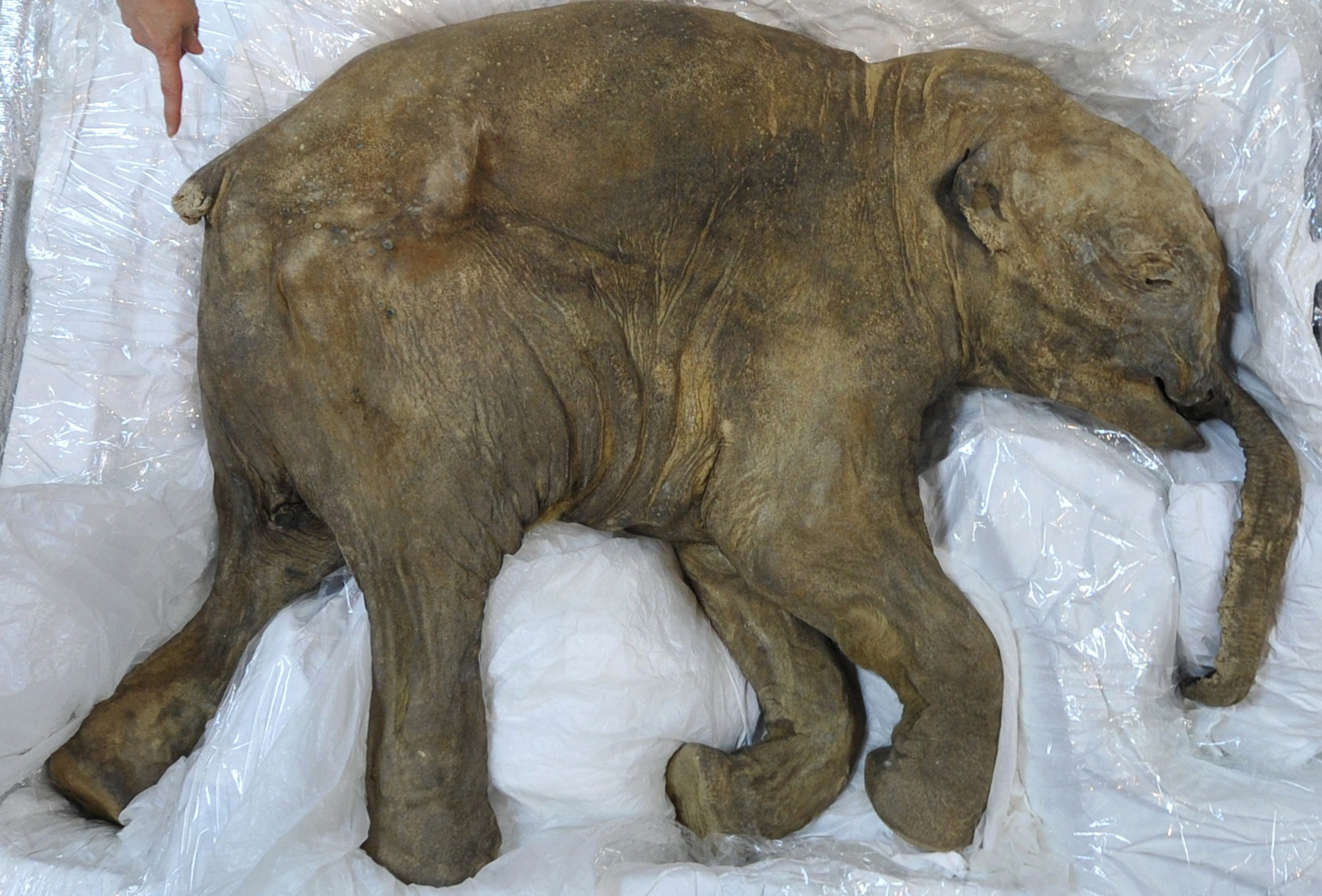
Colossal Biosciences claims that reintroducing mammoth-like elephants to Arctic environments could even help combat climate change. By restoring ecosystems and preventing permafrost from melting, they suggest that these animals could help slow the release of carbon trapped in frozen soil. While this theory remains unproven, proponents believe it is worth exploring.
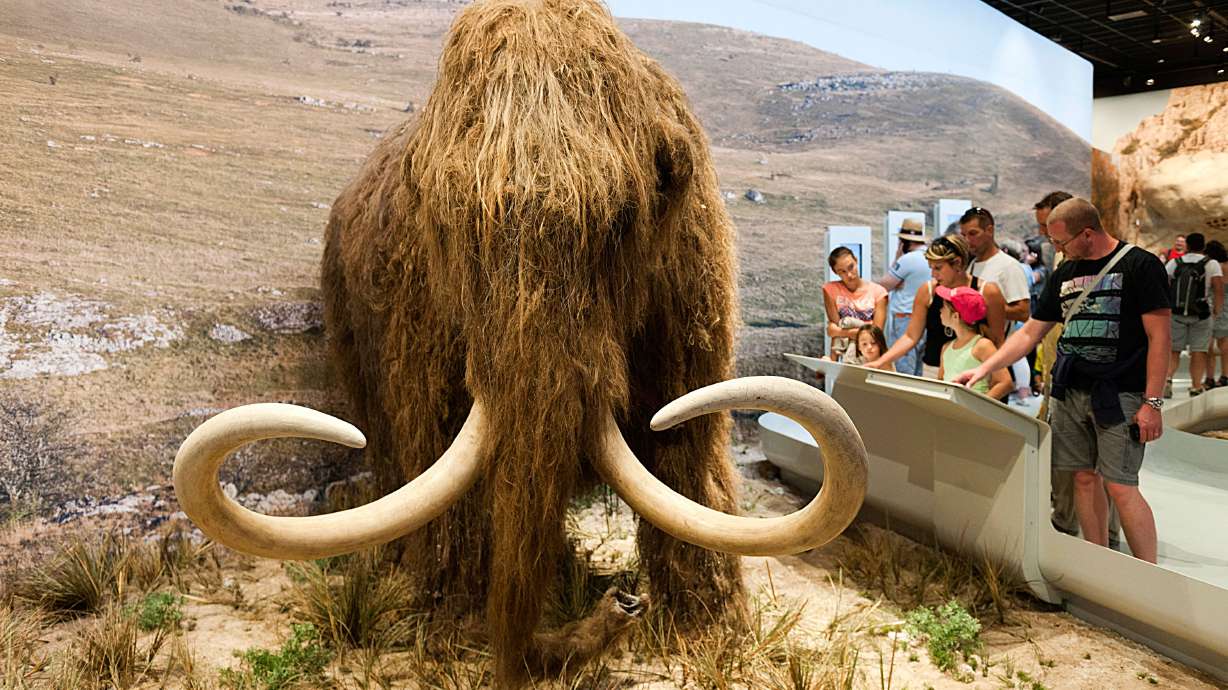
Some scientists recognize the achievement as a breakthrough in genetic research. Oliver Ryder, director of conservation genetics at the San Diego Zoo Wildlife Alliance, called the development of elephant stem cells "a great advancement." He highlighted the potential for these cells to aid in studying elephant reproduction, genetics, and health, ultimately benefiting conservation efforts. "It opens up new possibilities for conserving species' genetic diversity, preventing extinction, and contributing to the sustainability of species," Ryder said.
Still, others remain skeptical. Joseph Bennett, a professor of biology at Carleton University in Canada, expressed concerns about the ethical implications of bringing back a hybrid species that is neither fully mammoth nor entirely elephant. "Bringing that back as something that would somehow be portrayed as conservation would be a difficult sell," he noted.
Gabriela Mastromonaco, senior director of wildlife science at the Toronto Zoo, echoed these concerns, stating that resources should be directed toward protecting species that are currently at risk of extinction rather than reviving ancient ones. "There are so many species going extinct today," she said. "We actually won’t be able to help any of them if we’re focused on the woolly mammoth. Living animals versus fossils should be where our focus is."
Despite the debate, Colossal Biosciences continues its mission, pushing forward with what they see as revolutionary work in genetic engineering and conservation. Whether the woolly mammoth or its hybrid counterpart will ever walk the Earth again remains to be seen, but one thing is clear: the science behind de-extinction is advancing rapidly, and it is sparking a global conversation about the ethics, feasibility, and impact of bringing the past back to life.


Comments
Post a Comment