Scientists Discover That 18,000 Years Ago, There Were Brain-Eating Cannibals in Poland

Researchers studying human remains from Maszycka Cave in southern Poland have uncovered evidence of cannibalism among hunter-gatherers around 18,000 years ago. A reexamination of 63 bone fragments found that 70 percent bore cut marks, indicating that brains and bone marrow were deliberately harvested for consumption. Using three-dimensional microscopy, scientists determined that the cut marks and fractures were consistent with nutritional exploitation rather than funeral customs. This finding supports earlier hypotheses that cannibalism was not a rare occurrence but a practiced behavior among Magdalenian groups, a culture that dominated Europe between 17,000 and 12,000 years ago.
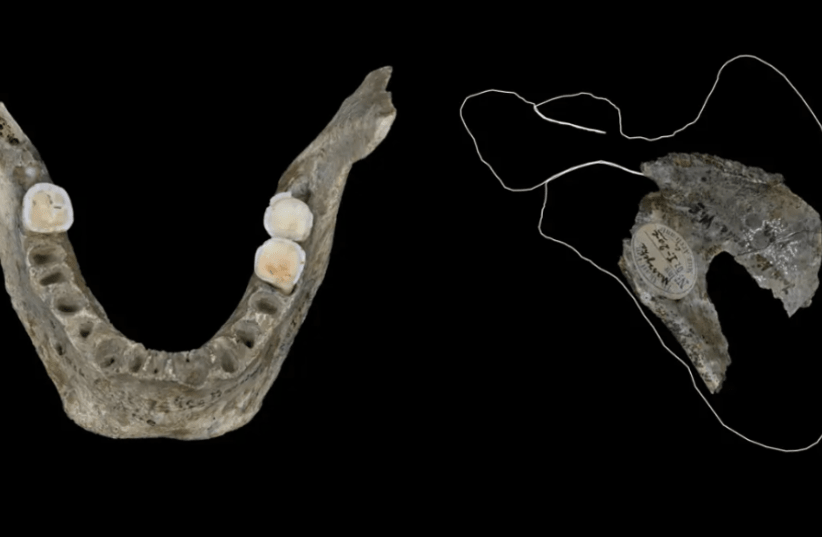
The bones examined in this study came from individuals living during the final stretch of the Ice Age when environmental conditions were improving, and food sources were becoming more abundant. Despite this, growing populations may have led to increased competition for resources, forcing some groups to resort to extreme measures. The researchers suggest that intergroup conflict over territory and food supplies may have escalated into acts of warfare, with the victors consuming the vanquished as a survival strategy. Unlike ritualistic cannibalism, which is often tied to spiritual beliefs, the evidence from Maszycka Cave suggests that human flesh was eaten out of necessity.

Cannibalism among early humans is not a new discovery, but this study strengthens the argument that it was more widespread than previously thought. The researchers highlight that similar evidence of cannibalism has been found at five other Magdalenian sites across Europe, indicating that this was not an isolated incident. The frequency of these findings suggests that consuming human remains was embedded in the cultural practices of these communities, whether as a means of survival or as a method of asserting dominance over rivals. The researchers note that the bones were processed in ways consistent with food preparation, including defleshing and breaking long bones to extract marrow.

The presence of warfare-related cannibalism has been proposed as a plausible explanation for these findings. After the Last Glacial Maximum, human populations began expanding into previously uninhabited areas, leading to territorial disputes and heightened tensions. The stress of limited resources and population growth may have pushed these groups to engage in violent conflict, with the consumption of human flesh becoming a byproduct of survival-driven aggression. This aligns with broader trends in human history, where extreme environmental pressures have often led to drastic adaptations.
Although cannibalism has long been considered a cultural taboo, evidence suggests it has existed for hundreds of thousands of years. The earliest known instance dates back over 800,000 years in the Atapuerca Mountains of Spain, where remains of early hominins show signs of butchering. However, these cases were exceptions rather than norms, and most human societies have strongly condemned cannibalistic practices. The findings at Maszycka Cave add to a growing body of research showing that, in times of extreme hardship, even deeply ingrained taboos could be broken.

Archaeologists have debated whether the cut marks on Magdalenian bones were a result of cannibalism or some form of burial practice. Some earlier studies proposed that the markings were part of complex funerary rituals rather than signs of consumption. However, the researchers in this study refute that notion, emphasizing that the pattern of cuts and fractures is identical to what is seen in animal butchering. The targeted extraction of brains and marrow—both highly nutritious—points to a functional rather than symbolic purpose.
Despite its unsettling nature, the study provides valuable insight into how prehistoric humans adapted to challenging conditions. The ability to exploit every available resource, including human remains, may have played a role in the survival of certain groups. While it is impossible to determine the full context in which these acts occurred, the findings suggest that the Magdalenian people were pragmatic in their approach to survival. They used all available resources, even when it meant consuming their own species.
Moving forward, researchers plan to examine the connections between different Magdalenian cannibalism sites to determine whether they shared common motivations and practices. By comparing archaeological data from various locations, they hope to gain a clearer understanding of why this behavior was relatively common during the Upper Paleolithic. If resource scarcity was the primary driver, it may help explain similar patterns observed in later historical periods when societies faced extreme hardship.

The study also raises questions about how humans perceive morality and survival. While cannibalism is viewed with horror today, it was once a practical response to dire circumstances. The findings from Maszycka Cave force us to confront the uncomfortable reality that our ancestors, when faced with starvation or conflict, may have had fewer moral reservations about consuming human flesh. By studying these ancient behaviors, scientists gain a better understanding of human resilience and the lengths people have gone to endure the harshest conditions.
While the idea of prehistoric cannibals may sound like something from fiction, the evidence from Maszycka Cave presents a stark reminder of the complexities of human survival. The study not only reveals a dark chapter of history but also sheds light on the ways ancient humans adapted to an unforgiving world. The findings challenge our perceptions of early societies, showing that they were capable of both great innovation and extreme measures when faced with the struggle for existence.


Comments
Post a Comment