Scientists Discover What's Hidden Under the Ice of Greenland?

Greenland’s Hidden Secrets: Melting Ice, Rare Earth Riches, and a Changing Global Landscape
Greenland, the world’s largest island, has long been a place of icy isolation, extreme weather, and sparse population. However, beneath its massive ice sheet lies a world of hidden resources, potential economic opportunities, and critical geopolitical interest. As the island continues to experience significant changes due to global warming, scientists, investors, and world powers are keeping a close watch on what Greenland’s future may hold.
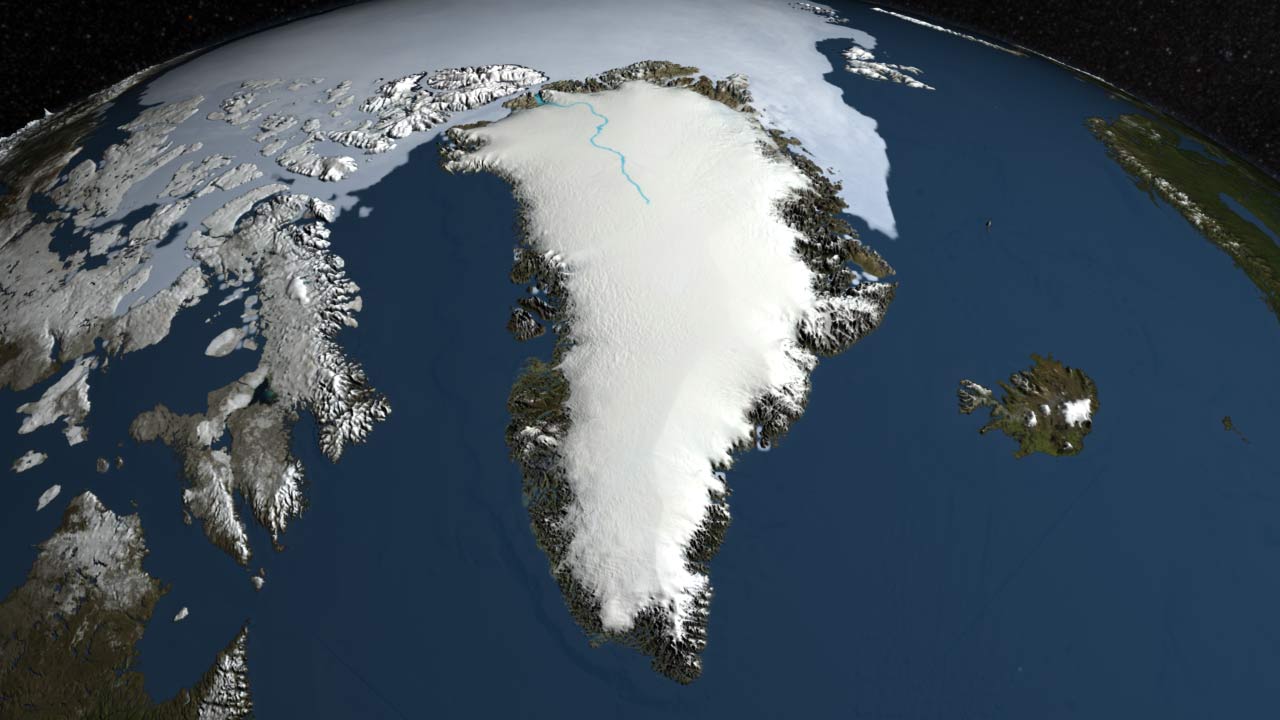
A Land of Ice and Change
Greenland covers approximately 2.16 million square kilometers, making it more than three times the size of France. Despite its massive landmass, only 56,000 people call Greenland home, with nearly one-third of them living in the capital, Nuuk. The primary reason for Greenland’s low population density is its extreme climate and the dominance of the Greenland Ice Sheet, which blankets about 80% of the island. This ice sheet, which has existed for millions of years, is currently undergoing unprecedented melting due to global warming.
Between September 2023 and August 2024, Greenland lost approximately 80 billion tonnes of ice, contributing to a measurable rise in global sea levels. This alarming rate of ice loss is primarily driven by rising Arctic temperatures, which are increasing twice as fast as the global average. The consequences of this ice melt are profound, with scientists predicting that if all of Greenland’s ice were to melt, sea levels could rise by up to 7 meters, submerging major coastal cities worldwide, including New York, London, Shanghai, and Miami.
However, as the ice recedes, it is revealing something remarkable: a wealth of untapped natural resources.

A Hidden Treasure Trove of Rare Earth Minerals
Beneath Greenland’s thick ice sheet lies one of the largest deposits of rare earth elements (REEs) on Earth. These minerals, including neodymium, dysprosium, yttrium, and terbium, are critical for modern technology, such as smartphones, wind turbines, electric vehicles, and advanced military equipment.
Estimates suggest that Greenland holds approximately 1.5 million metric tons of rare earth reserves, accounting for nearly 10% of the global total. One of the richest deposits, known as the Kvanefjeld project, is located in southern Greenland and is believed to contain one of the world’s largest undeveloped deposits of rare earth oxides and uranium. This makes Greenland a highly valuable region for resource extraction, particularly at a time when China dominates over 85% of the world’s rare earth supply.
The potential of Greenland’s mineral wealth is attracting interest from governments, multinational corporations, and private investors. The United States, European Union, and China have all expressed interest in securing access to these resources. In 2019, former U.S. President Donald Trump even proposed purchasing Greenland from Denmark, a move that was dismissed by Danish officials but highlighted the island’s growing geopolitical importance.
_cleanup.jpg)
Geopolitical Interest and Strategic Importance
Beyond its mineral wealth, Greenland holds strategic importance due to its location in the Arctic. As climate change causes Arctic ice to melt, new shipping routes are opening up, reducing travel time between Asia, Europe, and North America. The Northern Sea Route, which passes through Russia’s Arctic waters, is expected to become a vital trade passage in the coming decades.
With increasing global competition for Arctic dominance, Greenland’s position as a gateway to the North Pole makes it a valuable asset. The United States already operates the Thule Air Base in northern Greenland, a key military installation used for early missile detection and strategic defense. Additionally, China has attempted to invest in Greenland’s mining sector, leading to concerns among Western nations about Beijing’s expanding influence in the Arctic.
To counter Chinese investment, Denmark and the U.S. have taken steps to limit Chinese involvement in Greenland’s infrastructure projects, including blocking Chinese bids to build airports and ports on the island. This growing geopolitical tension highlights Greenland’s increasing role in global power dynamics.

Challenges and Environmental Concerns
While the discovery of valuable resources could bring economic independence to Greenland, it also raises serious environmental and social concerns. Greenland currently relies on an annual subsidy of $600 million from Denmark, making mining an attractive option for boosting economic growth. However, local Inuit communities fear that large-scale mining operations could lead to environmental degradation, pollution, and the loss of traditional ways of life.
The Greenlandic government remains divided on how to proceed. Some politicians advocate for increased resource extraction to achieve economic independence from Denmark, while others emphasize environmental preservation and sustainability. The debate over mining projects, particularly at Kvanefjeld, has led to political shifts, with Greenland’s left-wing government banning uranium mining in 2021, a decision that stalled further resource development.
_cleanup.jpg)
The Future of Greenland
Greenland stands at a crossroads. On one hand, it possesses the potential to become a major player in the global rare earth market, securing economic stability and independence. On the other hand, the island faces climate threats, geopolitical struggles, and environmental risks that could shape its future for generations.
The world is watching as Greenland’s ice continues to melt, revealing a land of hidden potential and untold challenges. Whether Greenland will become a new economic powerhouse or a fragile victim of climate change remains to be seen. What is certain, however, is that this remote Arctic island is no longer an afterthought—it is now a focal point of global interest, investment, and international strategy.


Comments
Post a Comment