Scientists Discover a WHOLE Submerged Ghost Village Underneath The Canadian Lake

Beneath the tranquil, glacial waters of Lake Minnewanka in Alberta, Canada, lies a submerged testament to human ambition and the relentless march of progress. This underwater ghost town, once known as Minnewanka Landing, offers a captivating glimpse into a bygone era, preserved beneath the lake's icy depths.
A Resort Town Emerges

In the late 19th century, the area now submerged under Lake Minnewanka was a burgeoning summer retreat. The establishment of the Beach House, a log-built hotel completed in 1886, marked the beginning of Minnewanka Landing's transformation into a popular resort destination. Over the years, the village expanded to include four avenues, three streets, numerous cottages, hotels, restaurants, and sailing outfits offering boat excursions on the original, smaller lake.
The First Transformation: Dams and Rising Waters

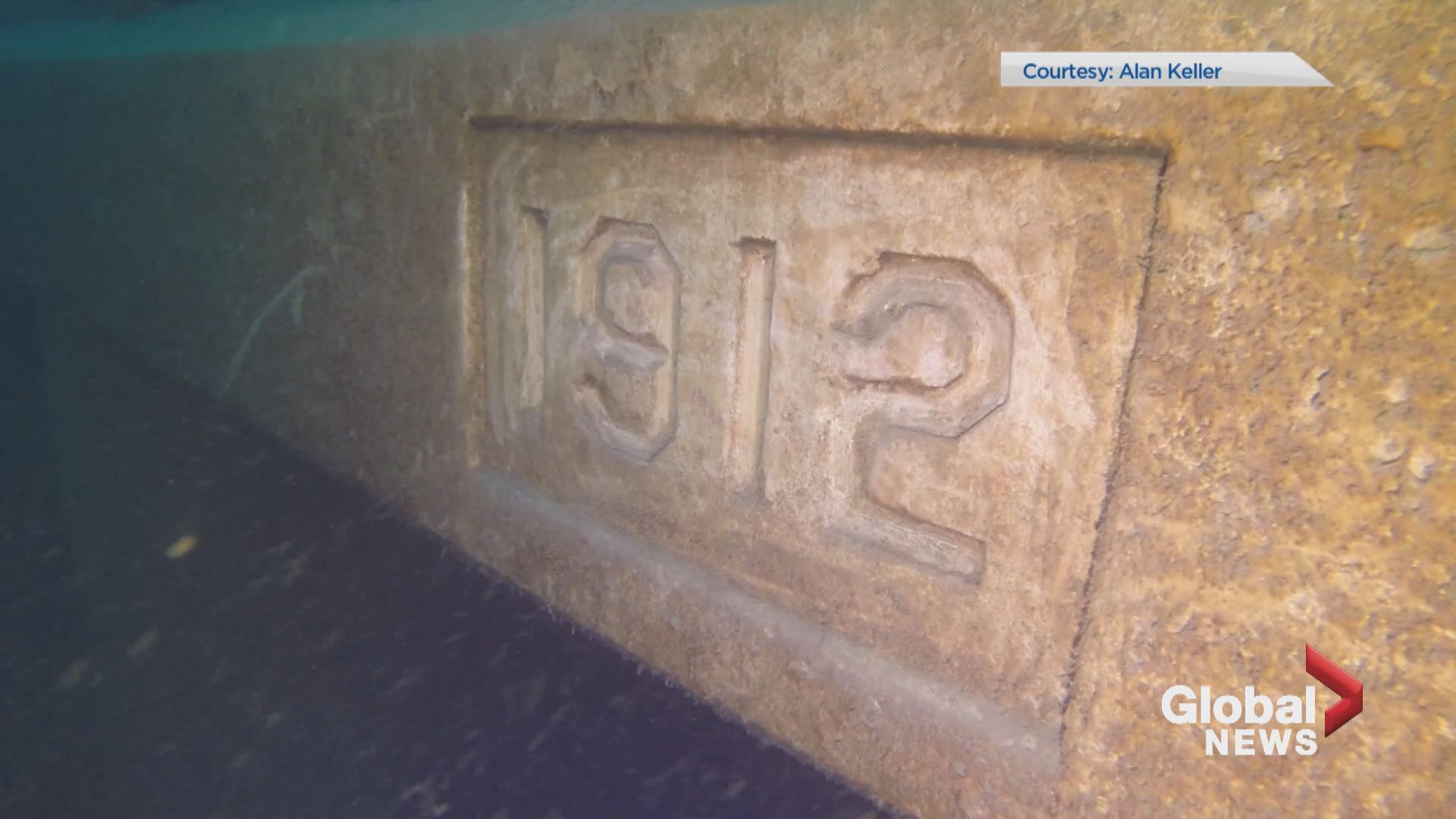
The early 20th century brought significant changes to Minnewanka Landing. In 1912, the Calgary Power Company constructed a dam as part of a hydroelectric plant operation downstream. This development raised the water level by approximately 3.5 meters (12 feet), partially flooding the town. Despite this inundation, the community continued to thrive, with 42 additional lots developed to accommodate more cabins.
World War II and the Final Submersion
/https://tf-cmsv2-smithsonianmag-media.s3.amazonaws.com/filer/c6/3b/c63ba994-68b6-4052-84bd-fb9eddce7cba/istock-499925702.jpg)
The onset of World War II intensified the demand for electricity in Calgary and its surrounding areas. In response, a new dam was constructed in 1941 under the War Measures Act, which temporarily suspended the National Parks Act's restrictions on industrial development within national parks. This dam elevated the reservoir's waters by an additional 30 meters (98 feet), completely submerging Minnewanka Landing and altering the landscape irreversibly.
Preservation Beneath the Waves

Today, the remnants of Minnewanka Landing rest approximately 18 meters (60 feet) below the lake's surface. The glacier-fed, ice-cold waters have preserved various structures, including house and hotel foundations, wharves, an oven, a chimney, a cellar, bridge pilings, and sidewalks. Even the footings from the original 1895 dam and the 1912 dam remain visible.
A Diver's Time Capsule

For those eager to explore this underwater relic, scuba diving offers a unique opportunity. Approximately 8,000 divers annually descend into Lake Minnewanka to witness the submerged village firsthand. The lake's icy temperatures have kept the structures remarkably intact, allowing divers to see the grain in the wood of the timbers and other well-preserved features.
Ancient Roots: Indigenous Heritage
Beyond the submerged village, the area around Lake Minnewanka holds a deeper historical significance. Archaeological findings reveal that Indigenous communities have inhabited the region for over 13,000 years. Artifacts such as spear points, arrowheads, and stone tools have been discovered, indicating a rich cultural landscape long before the establishment of Minnewanka Landing.
The Stoney Nakoda Connection
The Stoney Nakoda people, who have long considered the area sacred, referred to the lake as "Minn-waki," meaning "Lake of the Spirits." They believed the waters possessed healing powers and held the lake in reverence. Elder Watson Kaquitts of the Stoney Nakoda recounts, "There’s a mountain pass that they used to follow to come into the lake. That lake had healing powers."
Modern-Day Minnewanka
Today, Lake Minnewanka is a focal point within Banff National Park, attracting kayakers, hikers, and bicyclists to its chilly, crystalline waters. Boat tours are available near the parking lot, and a hiking and mountain biking trail runs along the northern shore of the lake, passing Stewart Canyon and several backcountry campsites. Mount Aylmer, the highest mountain in this area of the park at 3,162 meters, is located a few kilometers north of the lake.
A Testament to Change
The story of Lake Minnewanka and its submerged village serves as a poignant reminder of the delicate balance between development and preservation. While the demand for progress led to the creation of the lake as it exists today, it also resulted in the loss of a once-thriving community. Yet, through the lens of history and the adventurous spirit of modern explorers, the legacy of Minnewanka Landing continues to captivate and inspire.


Comments
Post a Comment