Scientists Found Evidence of 700,000-Year-old Humans Found in the Philippines
Evidence of 700,000-Year-old Humans Found in the Philippines

Scientists continue to uncover new human species, reshaping our understanding of early migrations and settlements. A recent discovery in the Philippines challenges previous beliefs about when our ancestors first arrived in the region. Given that the country is surrounded by water, the question remains—who were these early humans, and how did they reach the islands?

Homo sapiens, our species, were not the first humans to walk the Earth. While Neanderthals, who emerged around 230,000 years ago, are well known, at least 17 other human species have existed. The oldest known ancestor, Orrorin tugenensis, lived approximately 5.8 million years ago. Early humans originated in Africa, and by 1.5 million years ago, Homo erectus, the first hunter-gatherer species, began migrating beyond Africa, reaching parts of Asia. Homo sapiensemerged around 195,000 years ago, gradually spreading across Europe and Asia. Speech likely developed 45,000 years later, and it was not until 12,000 years ago that humans reached the Americas.
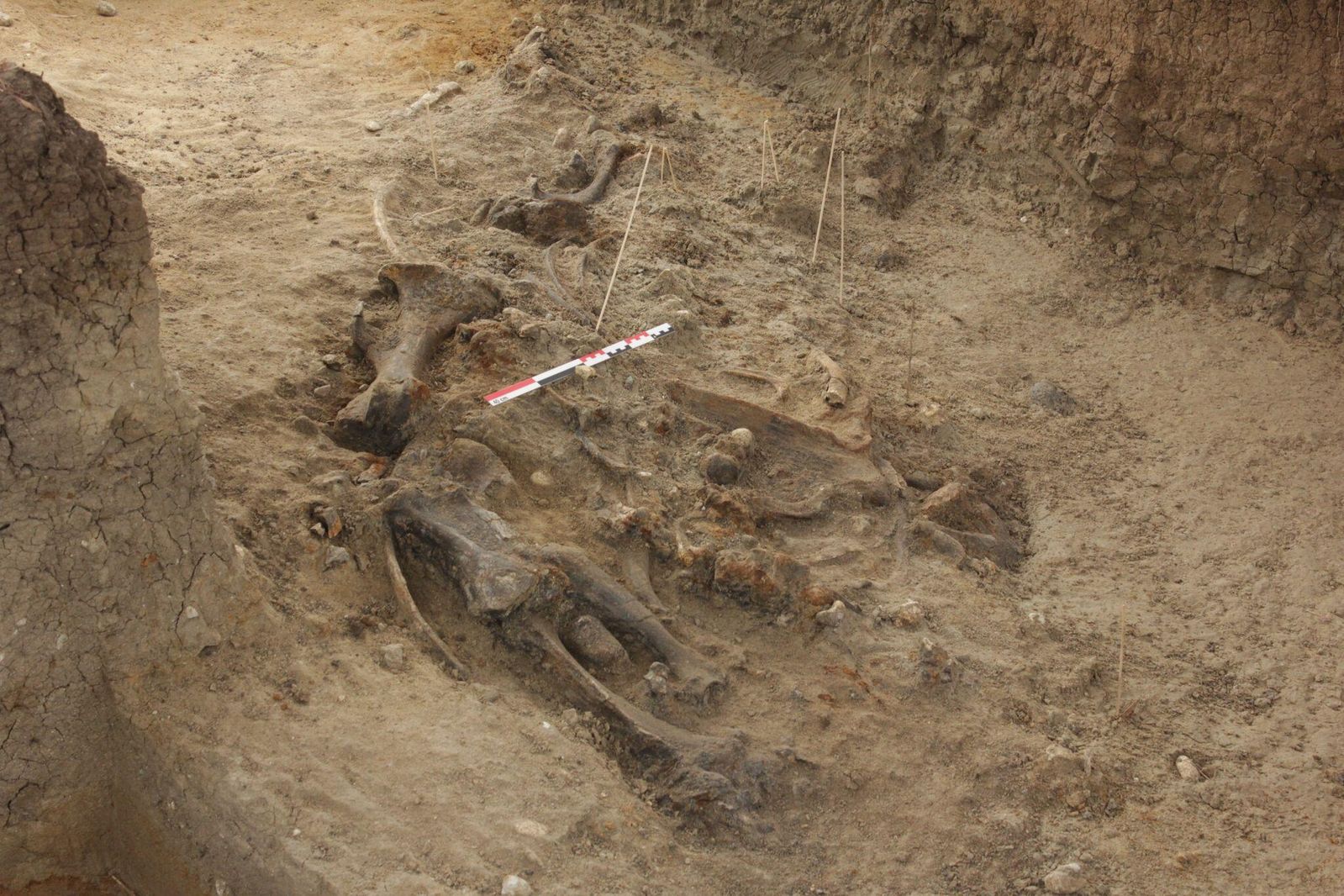
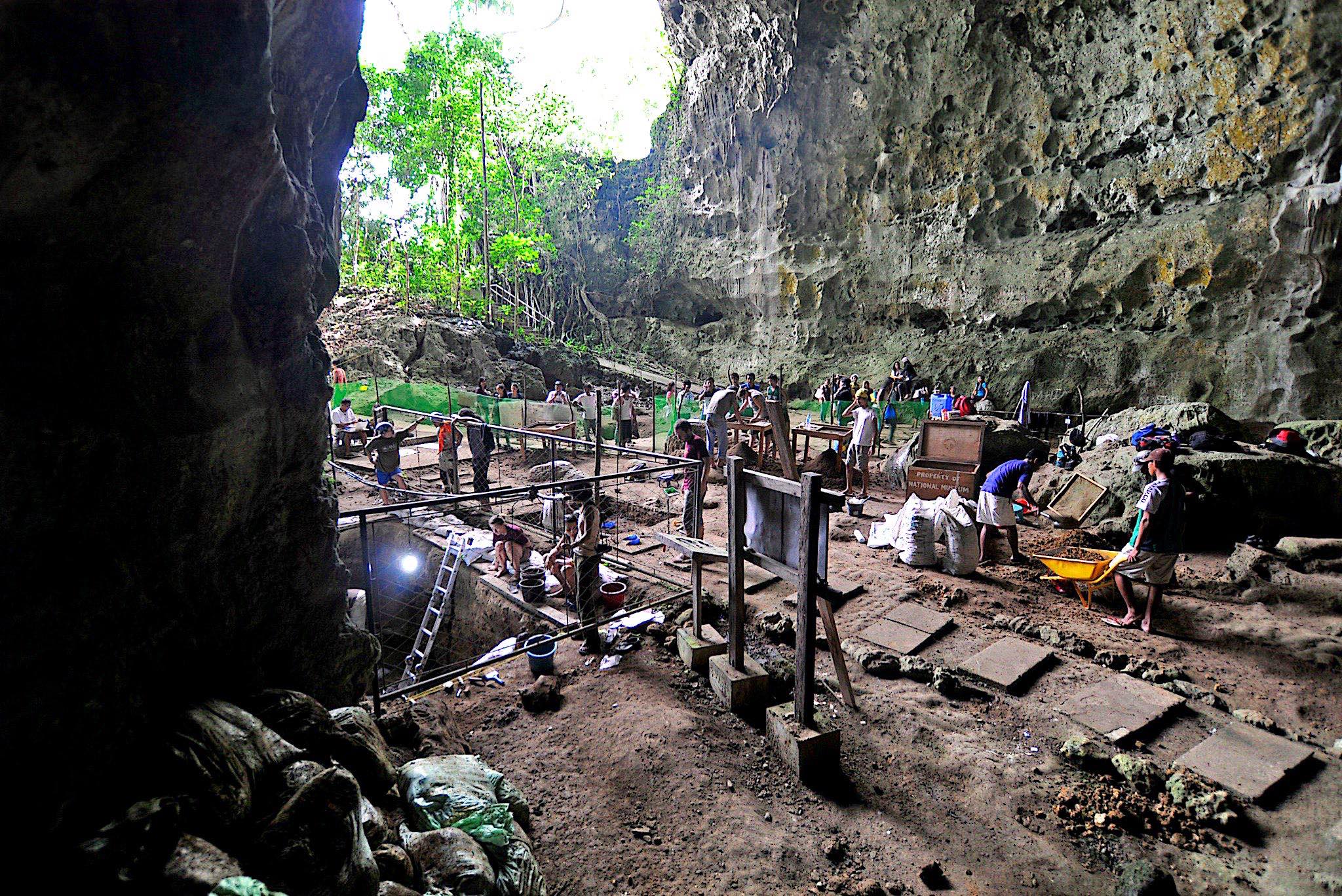
It was long believed that the first human species to arrive in the Philippines was Homo sapiens, around 100,000 years ago. However, a groundbreaking 2018 study suggests that human presence in the region dates back much earlier. During an archaeological dig in Kalinga, located in the Cagayan Valley of northern Luzon, researchers unearthed 57 stone tools alongside animal remains, including stegodon, Philippine brown deer, turtles, monitor lizards, and a Rhinoceros philippinensis. The rhinoceros bones bore clear cut marks from butchery—a practice attributed exclusively to humans.

What makes this discovery remarkable is its age. The fossils and tools were found within a clay-rich bone bed that has been dated to between 727,000 and 701,000 years ago. This evidence suggests that a human species occupied the Philippines hundreds of thousands of years earlier than previously believed. While no human remains have been found at the site, the most likely species responsible for the butchery is Homo erectus.

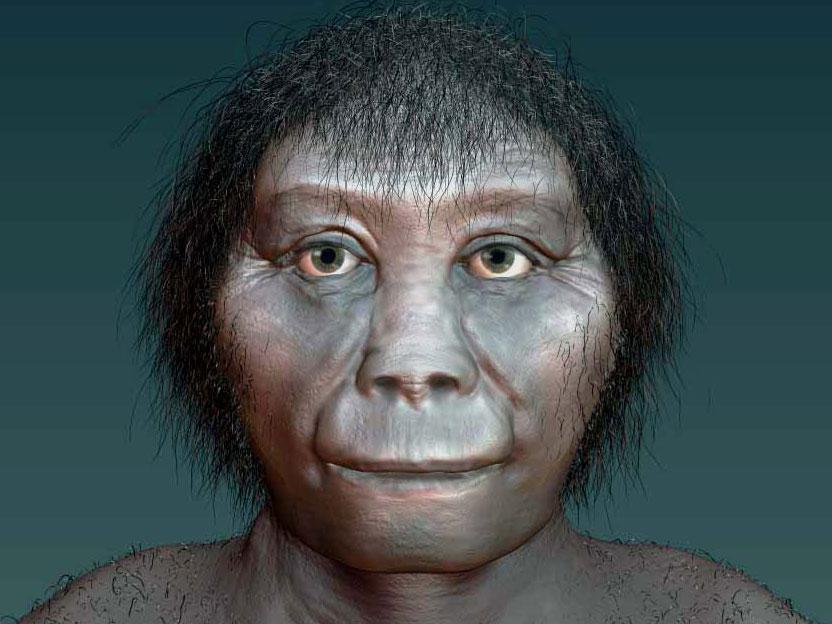
A similar discovery in Indonesia, roughly 3,000 kilometers away, led to the identification of Homo floresiensis, a distinct human species. This raises the possibility that multiple human species inhabited different islands in the region. Some may have evolved independently, further complicating our understanding of human migration and evolution.
The biggest mystery surrounding this discovery is how early humans reached the Philippines, which has always been surrounded by water. The Earth's geography has changed over time, and sea levels were significantly lower during ice ages, but the ocean was still too deep to walk across. It is widely believed that these early humans arrived by accident, possibly swept across the sea on floating debris during storms or tsunamis.

There is also the possibility that ancient humans possessed rudimentary seafaring skills. Recent research in the Mediterranean indicates that Stone Age people were using boats as early as 130,000 years ago, suggesting that prehistoric humans were far more capable than previously assumed. If Homo erectus did indeed cross the ocean intentionally, it would reshape the narrative of early human innovation and adaptability.
For millions of years, various human species coexisted on Earth. While Homo sapiens is the only surviving lineage, numerous others thrived before us, leaving behind a legacy that is still being uncovered. Our knowledge of these early humans remains limited, but each new discovery—such as the one in the Philippines—brings us closer to understanding our origins. The search for evidence continues, and scientists believe there are still many more human species yet to be discovered. Our journey to unravel the past has only just begun.


Comments
Post a Comment