Scientists Found Numerous Rare and Endangered Species in the 'Noah's Ark of Wildlife' in Cambodia

In a remarkable revelation that has captivated conservationists worldwide, a comprehensive biodiversity survey of Cambodia's Virachey National Park has unveiled an astonishing array of rare and endangered species. Often referred to as the "Noah's Ark of Wildlife," this remote sanctuary within the Annamite Mountains has emerged as a critical haven for species teetering on the brink of extinction. The findings not only underscore the park's ecological significance but also highlight the urgent need for its preservation.
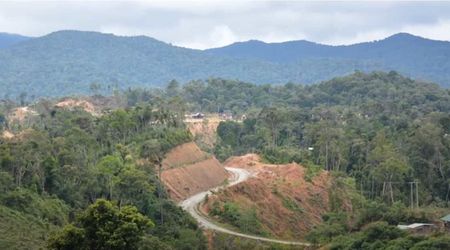
Spanning approximately 3,000 square kilometers across northeastern Cambodia, Virachey National Park is part of the expansive Annamite range, which extends into Laos and Vietnam. This region, sometimes dubbed the "Amazon of Asia," has remained largely unexplored until recent times, leaving its ecological treasures hidden from scientific scrutiny. The latest survey, spearheaded by the conservation organization Fauna & Flora in collaboration with Cambodia's Ministry of Environment, marks the first comprehensive effort to document the park's biodiversity.

Utilizing a combination of traditional fieldwork and advanced technologies, researchers employed over 150 camera traps strategically placed throughout the park's diverse habitats. These devices captured images of elusive and nocturnal creatures, providing invaluable insights into the park's wildlife. The survey documented a total of 89 species, including 20 globally threatened ones. Notably, the critically endangered large-antlered muntjac (Muntiacus vuquangensis) was recorded for the first time in Cambodia, a species previously known only from Laos and Vietnam.
The discovery of the large-antlered muntjac is particularly significant. First described in 1994, this elusive deer has been one of the least understood large mammals in Southeast Asia. Its presence in Virachey suggests that the park may serve as a vital refuge for the species, offering hope for its continued survival. Pablo Sinovas, Fauna & Flora’s Cambodia Program Director, expressed his excitement, stating, "To find a large mammal in a country for the first time is really quite rare and exciting."

In addition to the large-antlered muntjac, the survey revealed the presence of several other rare and endangered species. The Sunda pangolin (Manis javanica), clouded leopard (Neofelis nebulosa), sun bear (Helarctos malayanus), and red-shanked douc langur (Pygathrix nemaeus) were among the notable mammals recorded. The Sunda pangolin, in particular, is critically endangered due to rampant poaching driven by the illegal wildlife trade. Its detection in Virachey underscores the park's importance as a sanctuary for this imperiled species.
The survey also documented the northern yellow-cheeked crested gibbon (Nomascus annamensis), an endangered primate known for its distinctive vocalizations and striking appearance. This gibbon's presence in Virachey adds to the park's conservation value, as it is one of the few places in Cambodia where this species is found.
Herpetological surveys yielded significant findings as well. Researchers identified three species of frogs previously unrecorded in Cambodia, highlighting the park's role as a reservoir of amphibian diversity. Additionally, environmental DNA (eDNA) analysis of water samples revealed evidence of 161 species, including the endangered dwarf loach (Yunnanilus cruciatus), a freshwater fish.
The botanical component of the survey was equally fruitful. Experts documented eight rare tree species within the park, further emphasizing its ecological richness. The diverse flora supports a complex web of life, providing habitat and sustenance for the myriad animal species that inhabit Virachey.
The success of this extensive survey can be attributed to the collaborative efforts between scientists and local indigenous communities. The indigenous people, with their intimate knowledge of the land, guided researchers to areas of ecological significance and provided insights into wildlife behavior and distribution. In regions too remote even for local inhabitants, technology bridged the gap. The deployment of camera traps in these inaccessible areas was instrumental in capturing images of elusive species, such as the large-antlered muntjac.
Despite these remarkable discoveries, Virachey National Park faces significant threats. Deforestation, habitat fragmentation, and illegal hunting pose ongoing challenges to the park's biodiversity. The findings from this survey underscore the urgent need for enhanced conservation efforts to protect this ecological treasure. Sinovas emphasized, "This park has the potential to provide a good stronghold to make sure that they don’t go extinct."

The revelation of Virachey as a bastion of biodiversity offers a glimmer of hope in the broader context of global conservation. It serves as a poignant reminder of the hidden wonders that still exist in our world and the critical importance of preserving them. The "Noah's Ark of Wildlife" in Cambodia stands as a testament to nature's resilience and the profound impact that dedicated conservation efforts can achieve.
In conclusion, the comprehensive biodiversity survey of Virachey National Park has illuminated the park's status as a sanctuary for numerous rare and endangered species. The discovery of species previously unrecorded in Cambodia, including the critically endangered large-antlered muntjac, underscores the park's global conservation significance. These findings highlight the imperative for continued and enhanced efforts to protect this unique ecosystem, ensuring that its rich biodiversity endures for generations to come.


Comments
Post a Comment