The Truth Behind Los Angeles’ Devastating Wildfires

The Real Cause Behind Los Angeles’ Devastating Wildfires—A Crisis Fueled by Climate and Policy Failures
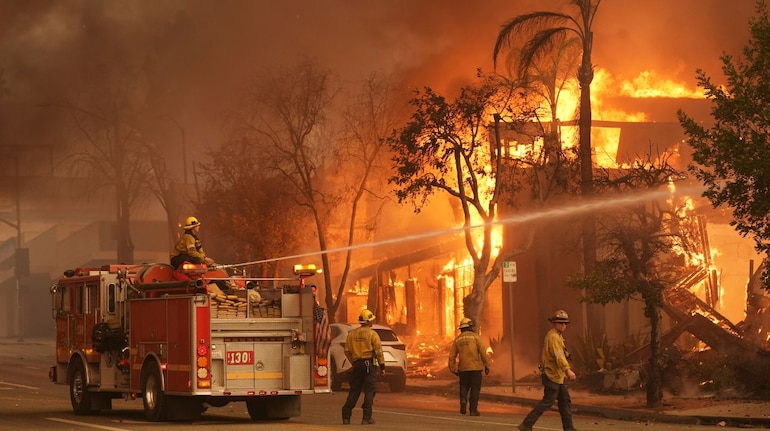
In January 2025, Los Angeles faced one of the most catastrophic wildfire disasters in its history, with the Palisades and Eaton fires leaving devastation in their wake. The infernos resulted in at least 25 fatalities, the destruction of over 12,000 structures, and mass displacement of residents. The economic toll is staggering, with damages estimated to exceed $275 billion. However, beyond the tragic loss of life and property, these wildfires serve as a harrowing warning—a culmination of climate change, extreme weather, and human policy failures.

A Perfect Storm—Why the 2025 Wildfires Were So Severe
Several environmental and meteorological factors combined to create ideal conditions for a wildfire disaster.
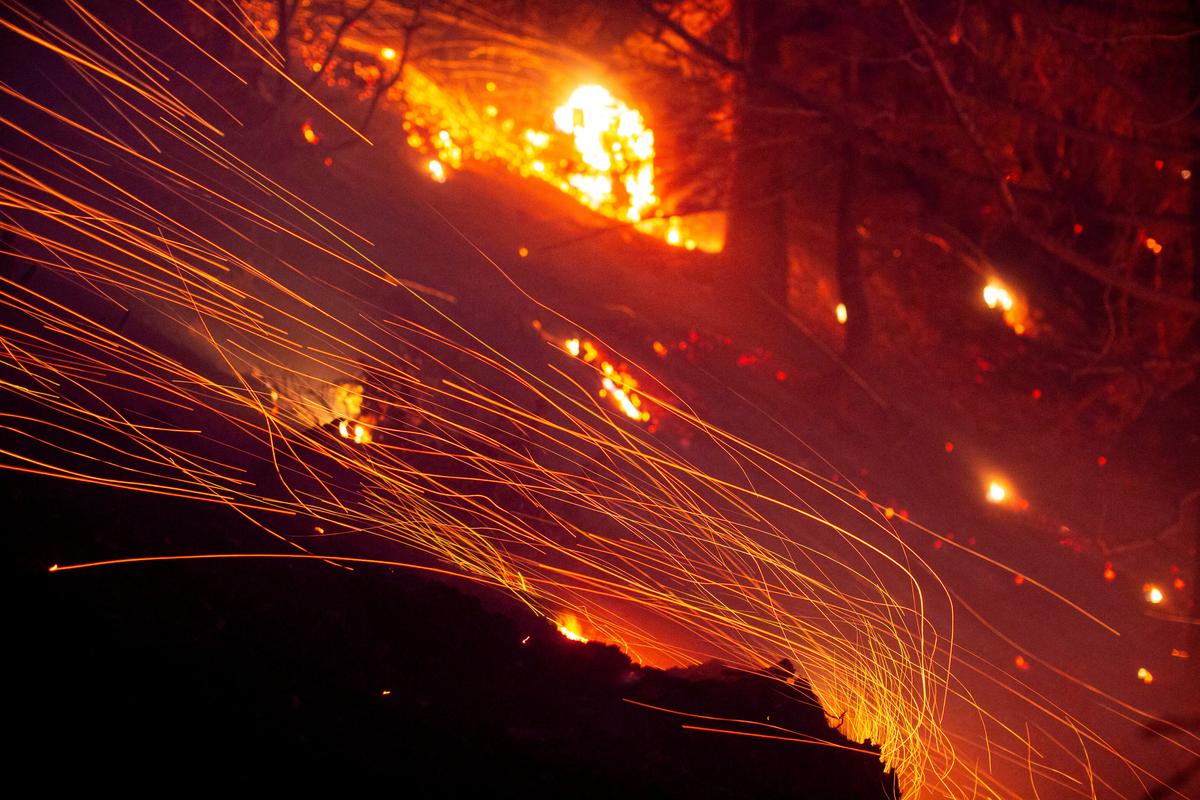
- Fierce Santa Ana Winds: With gusts reaching 100 mph, these infamous winds fueled and spread the flames across dry terrain at an alarming rate. These winds have historically been linked to California wildfires, but their intensity in 2025 was unprecedented.
- Extreme Drought: Leading up to the fires, Los Angeles experienced the driest start to the rainy season on record. Vegetation, already parched, became highly flammable, turning forests and grasslands into a tinderbox.
- Climate Change’s Role: Global warming has intensified weather patterns, creating “climate whiplash”—periods of heavy rainfall followed by prolonged droughts. This cycle rapidly grows vegetation, which then dries out, providing fuel for wildfires.
The 2025 wildfires were not just a natural disaster—they were a climate-driven catastrophe.

The Role of Santa Ana Winds—Fanning the Flames of Destruction
The Santa Ana winds, known for their hot and dry air, have long been a driving force behind California’s wildfires. However, scientific studies suggest these winds have intensified due to climate change, making wildfire seasons longer and more destructive.
In the 2025 fires, these winds reached record-breaking speeds, pushing flames across highways, neighborhoods, and forests faster than firefighters could respond. Their unpredictable nature made it nearly impossible to control the fires, shifting the blaze’s direction with little warning.

Human Factors—How Urban Expansion and Poor Policies Worsened the Crisis
While climate change set the stage, human activities and policy failures exacerbated the disaster.
- Urban Expansion Into Fire Zones: More communities are being built in fire-prone areas, increasing the risk of ignition and placing more lives and homes in danger.
- Lack of Forest Management: Inadequate clearing of dried-out underbrush and dead vegetation has been a longstanding issue, providing excess fuel for wildfires.
- Delayed Policy Actions: Despite years of warnings, proactive measures—such as controlled burns and investments in fire-resistant infrastructure—have been insufficient or delayed.
Critics argue that state and federal leadership failed to take wildfire prevention seriously, allowing these conditions to escalate into a full-blown crisis.
Economic and Environmental Fallout—A $275 Billion Disaster
The financial and environmental costs of the 2025 wildfires are astronomical.
- $275 Billion in Estimated Damages: The destruction includes homes, businesses, and infrastructure, alongside billions in lost revenue from economic disruptions.
- Mass Displacement: Tens of thousands of residents have been forced to evacuate, many losing everything in the fires.
- Wildlife and Ecosystem Damage: California’s natural landscapes have been severely impacted, with animal populations suffering mass habitat destruction.
The fires did not just burn homes—they reshaped entire communities and ecosystems.
How Can We Prevent Another Fire Disaster?
To mitigate future wildfire risks, experts emphasize a multi-pronged approach:
Implementing Controlled Burns
- Regular prescribed fires can reduce dry vegetation, preventing catastrophic wildfires.
Strengthening Infrastructure
- Investing in fire-resistant building materials, modernized fire hydrant systems, and enhanced early warning mechanisms can improve preparedness.
Tighter Urban Planning Regulations
- Restricting development in high-risk fire zones and enforcing stricter building codes can reduce future losses.
Combating Climate Change
- Addressing global warming’s role in extreme weather patterns is crucial in lessening the frequency and intensity of wildfires.
A Warning for the Future
The 2025 Los Angeles wildfires were not an isolated incident—they were a sign of what’s to come if urgent action isn’t taken.
With climate change accelerating, extreme weather intensifying, and urban expansion continuing, wildfires will only become more devastating unless significant preventive measures are enacted.
Los Angeles—and the world—must wake up to the reality that wildfire disasters are no longer seasonal events but existential threats. The time to act is now.


Comments
Post a Comment