What the end of the penny means for the US economy? and also the way America prices items
President Donald Trump has officially ordered the U.S. Treasury to halt the production of pennies, ending a long-standing debate over the coin’s economic value. The decision comes after mounting criticism from economists and public figures like Elon Musk, who argued that producing pennies is a wasteful expense. With billions of pennies already in circulation, the move is expected to have minimal immediate financial impact, but it could lead to long-term changes in pricing and cash transactions.
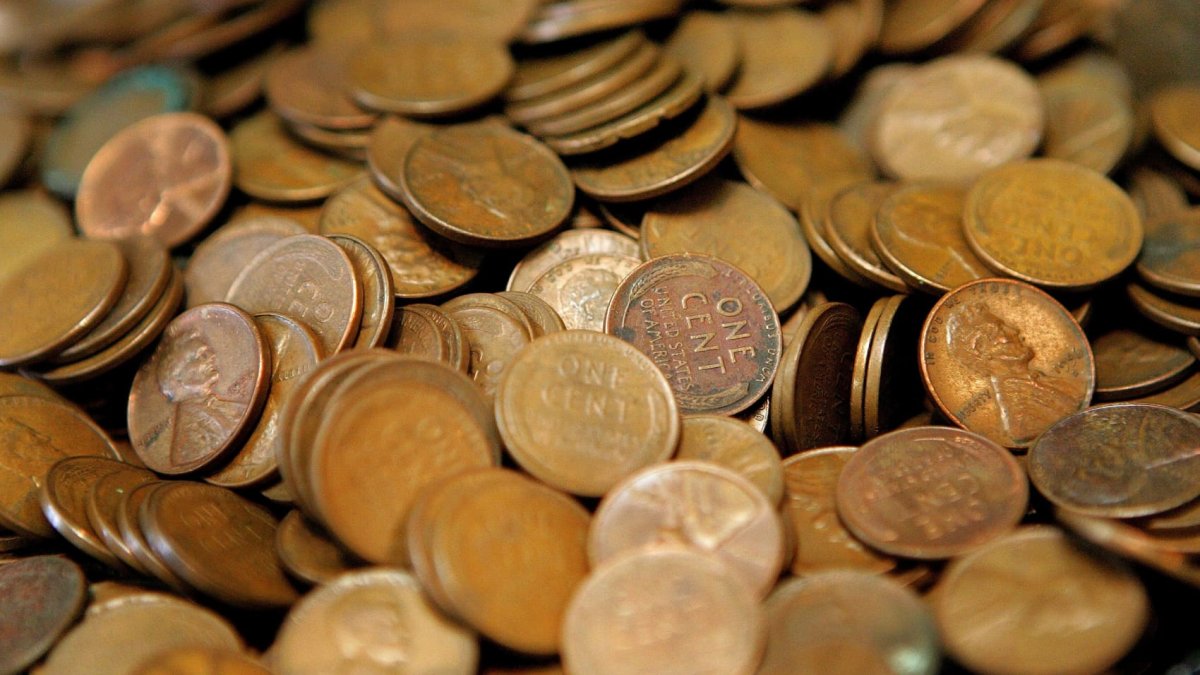
Trump took to his Truth Social platform to announce the decision, stating, “For far too long, the United States has minted pennies which literally cost us more than 2 cents. This is so wasteful! I have instructed my Secretary of the U.S. Treasury to stop producing new pennies.”
The Federal Reserve estimates that there are 114 billion pennies in circulation, totaling $1.14 billion—only 0.006% of the total money supply. Yet, producing these pennies costs the U.S. Mint around $192 million annually, roughly 4% of its operating budget. While this expense is small relative to the overall federal budget, many economists agree that spending millions on a coin with such little purchasing power is unnecessary.

David Gulley, an economics professor at Bentley University, supports the decision, noting that since millions of pennies disappear under couch cushions each year, the Mint must constantly produce replacements. “It’s an economic burden, and eliminating the penny is a logical step,” he said.
However, one concern is how businesses will adjust prices once pennies are phased out. Since cash transactions rely on exact change, eliminating the penny may lead to rounding prices to the nearest five cents. This could affect small purchases, such as the familiar $6.99 fast-food combo meal, which may need to be adjusted.
“Businesses might round up more often than down, leading to a slight inflationary effect,” said David Smith, an economics professor at Pepperdine University. However, he added that studies suggest rounding prices to the nearest nickel has no significant long-term inflationary impact.

Canada eliminated its penny in 2013, offering insights into how the U.S. might handle the transition. In Canada, cash transactions are rounded to the nearest five cents based on the total bill, not individual items, to maintain fairness. However, a study by Canadian economist Christina Cheung found that grocery stores gained approximately $3.27 million from rounding, though the impact on individual consumers was minimal.
For digital transactions, the penny’s removal will have little impact. “Anyone using a check, debit card, or credit card can still pay the exact amount,” explained Ajay Patel, a finance professor at Wake Forest University. However, those who rely on cash—such as the unbanked population—will likely be affected the most. With cash transactions now under 20% of all payments, fewer people will feel the change, but those without access to banking services may experience small but cumulative price increases.
Despite these concerns, the financial sector appears largely indifferent. Gates Little, CEO of Alabama-based Southern Bank, dismissed the penny’s elimination as inconsequential. “Eliminating the U.S. penny wouldn’t make any difference in the economy,” he said. “I can’t think of how it could hurt.”
It is important to note that Trump’s order only stops the minting of new pennies—it does not remove existing ones from circulation. Pennies will remain legal tender for years, gradually phasing out as they are absorbed into the banking system and melted down for their metal content. Patel estimates that the full disappearance of the penny could take decades.
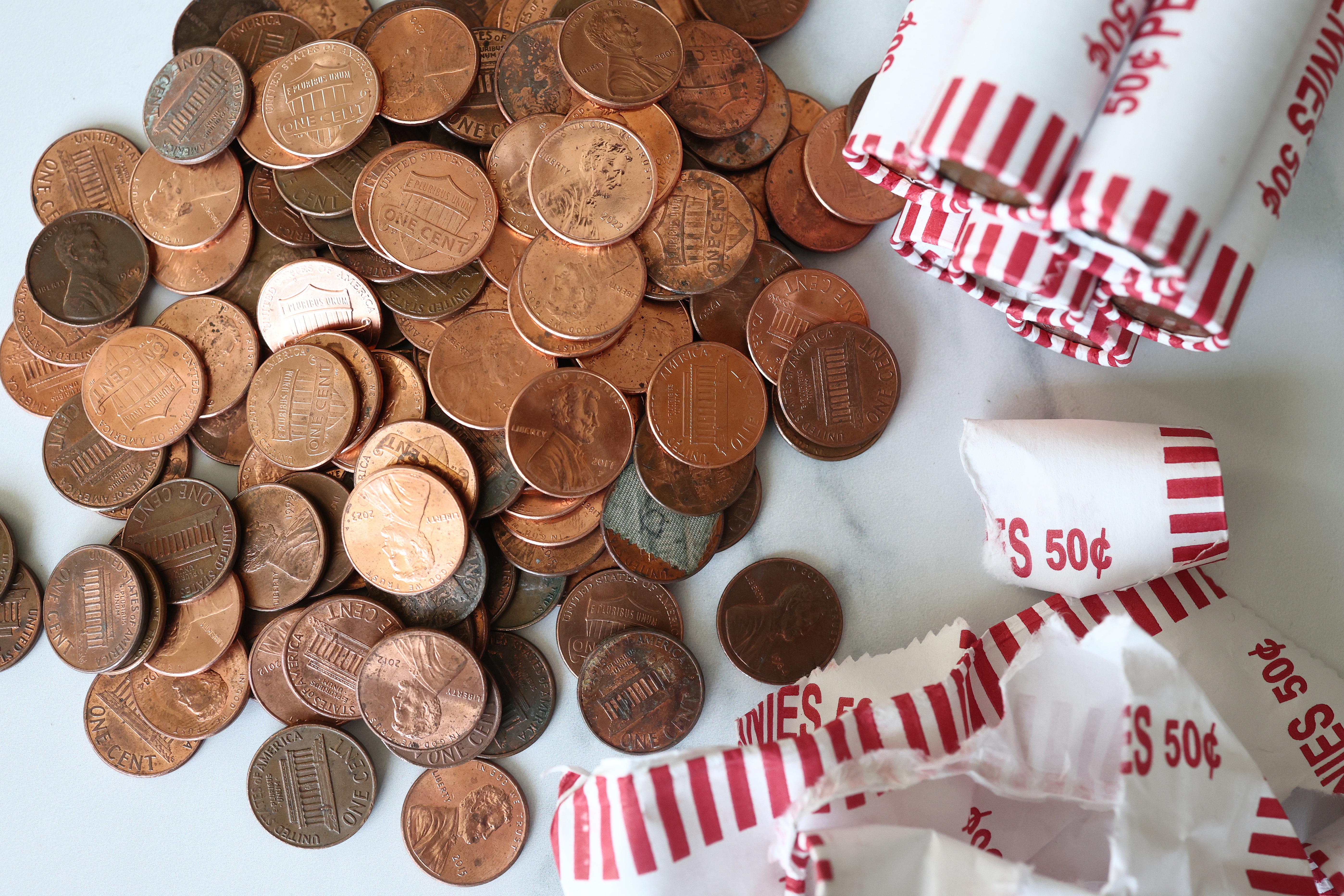
Interestingly, this could make existing pennies more valuable over time. “Pennies would become more scarce and eventually increase in value,” said Little. “In the near term, they might become useless, depending on how the Treasury handles them. But over time, collectors may hold onto them.” Already, older wheat pennies from before 1958 have increased in value among numismatists.
Some Americans are less concerned about the economic implications and more focused on everyday inconveniences. In Northeast Ohio, where many Amish communities still rely on cash, residents worry about making exact change. “We still use pennies regularly,” said local resident Laura Maike. “How will this work for cash-only transactions?”
Beyond economic efficiency, eliminating the penny has environmental benefits. Producing pennies requires mining large amounts of zinc and copper, which have environmental costs. “Eliminating the penny would save taxpayers millions of dollars each year while also reducing environmental damage,” said Smith.
While many Americans joke about the penny’s disappearance—wondering how people will now “give their two cents”—some economists are already looking ahead to the next potential target: the nickel.
“It takes three cents to make a penny, but 11 cents to make a nickel,” warned economist Nate Throckmorton. If cost-cutting efforts continue, the nickel could be the next coin to disappear.


Comments
Post a Comment