WWI Warship HMS Hawke Discovered In Remarkable Condition
For more than a century, the wreck of HMS Hawke and the 524 sailors who perished with her during World War I remained an unsolved maritime mystery. Struck by a German U-boat’s torpedo on October 15, 1914, the ship sank rapidly in the North Sea, leaving behind only unanswered questions and sorrow. The tragedy was swift, with the cruiser going down in less than eight minutes, allowing little time for escape or rescue efforts. Only 70 sailors survived, while hundreds of others were lost beneath the waves. For decades, historians and maritime enthusiasts searched for the ship’s final resting place, hoping to bring closure to one of the war’s early naval disasters.
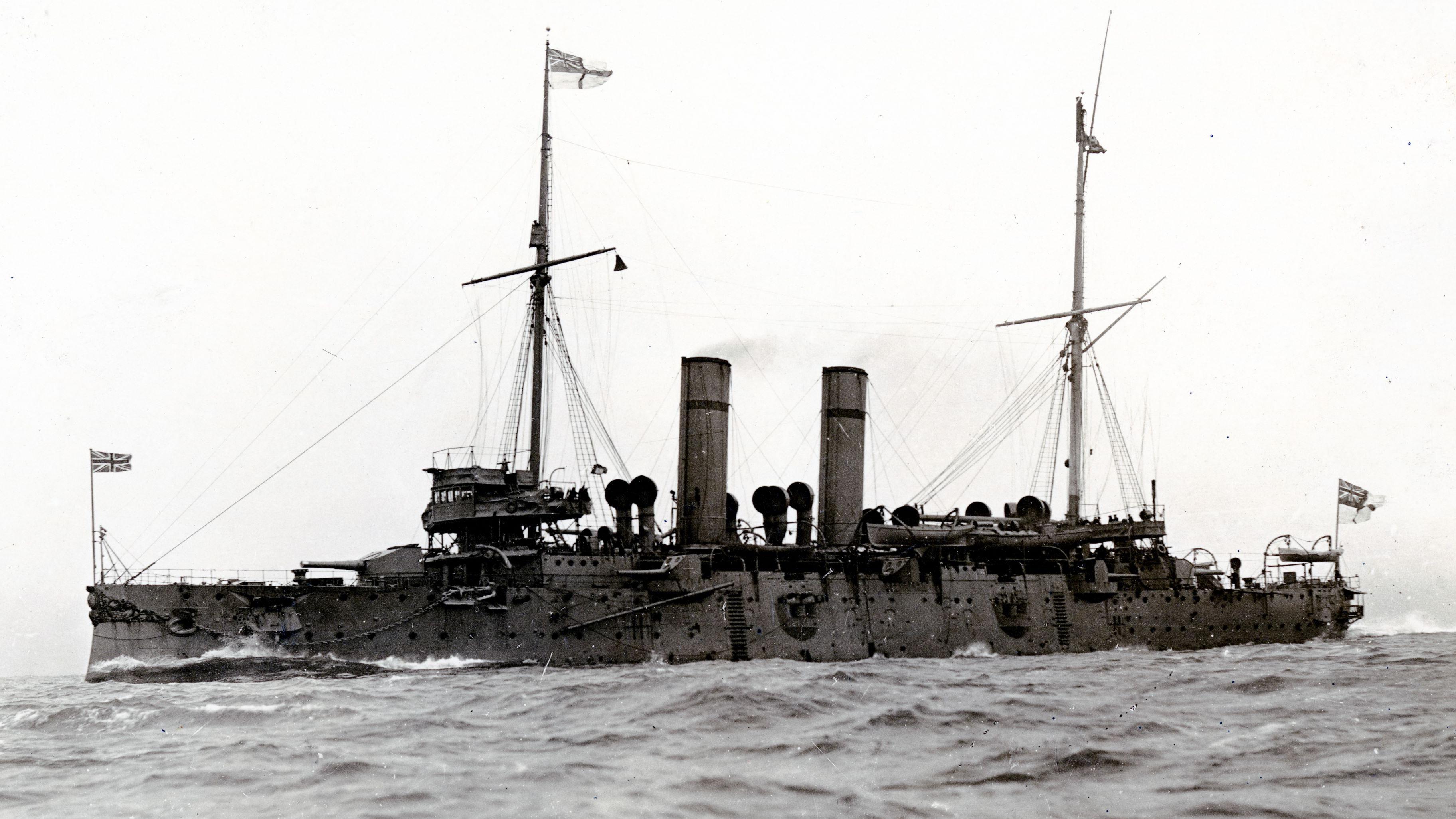
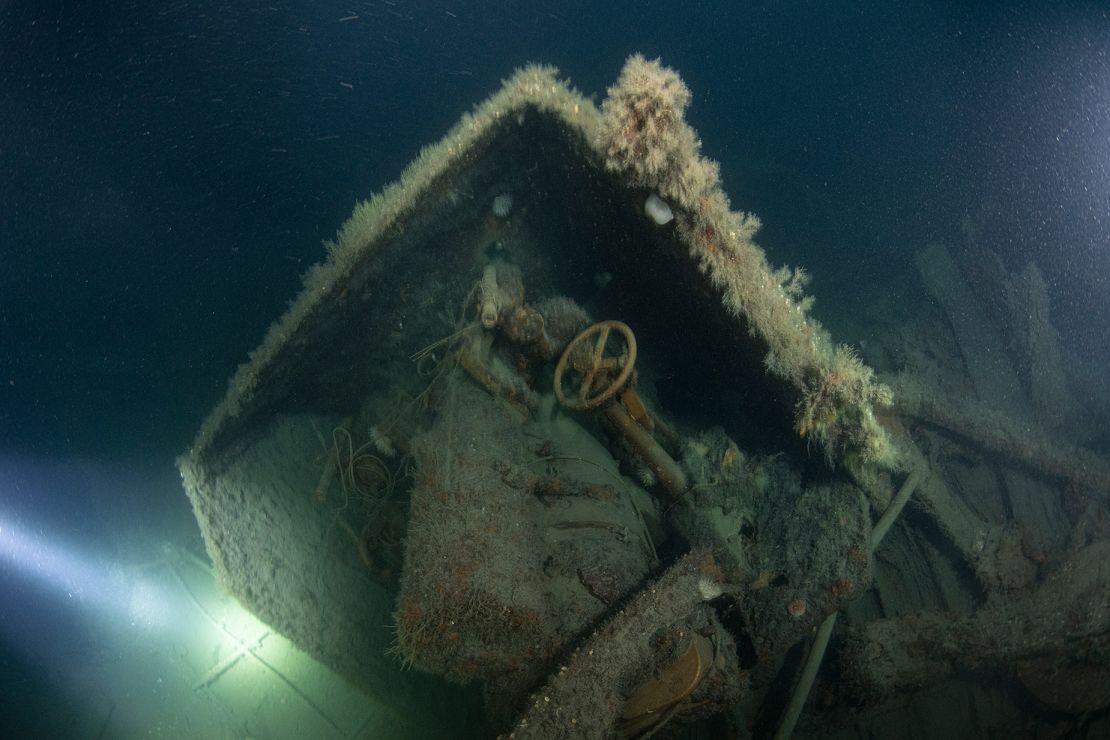
That closure finally came when the Lost in Waters Deep team announced the discovery of HMS Hawke on August 11, 2024. The wreck was located 70 miles east of Fraserburgh, Scotland, lying at the bottom of the North Sea. Divers were astonished to find the ship in an exceptionally well-preserved state, providing a rare and valuable glimpse into a crucial moment in naval history. For those involved in the search, it was not just about finding the ship but about remembering the men who went down with her.
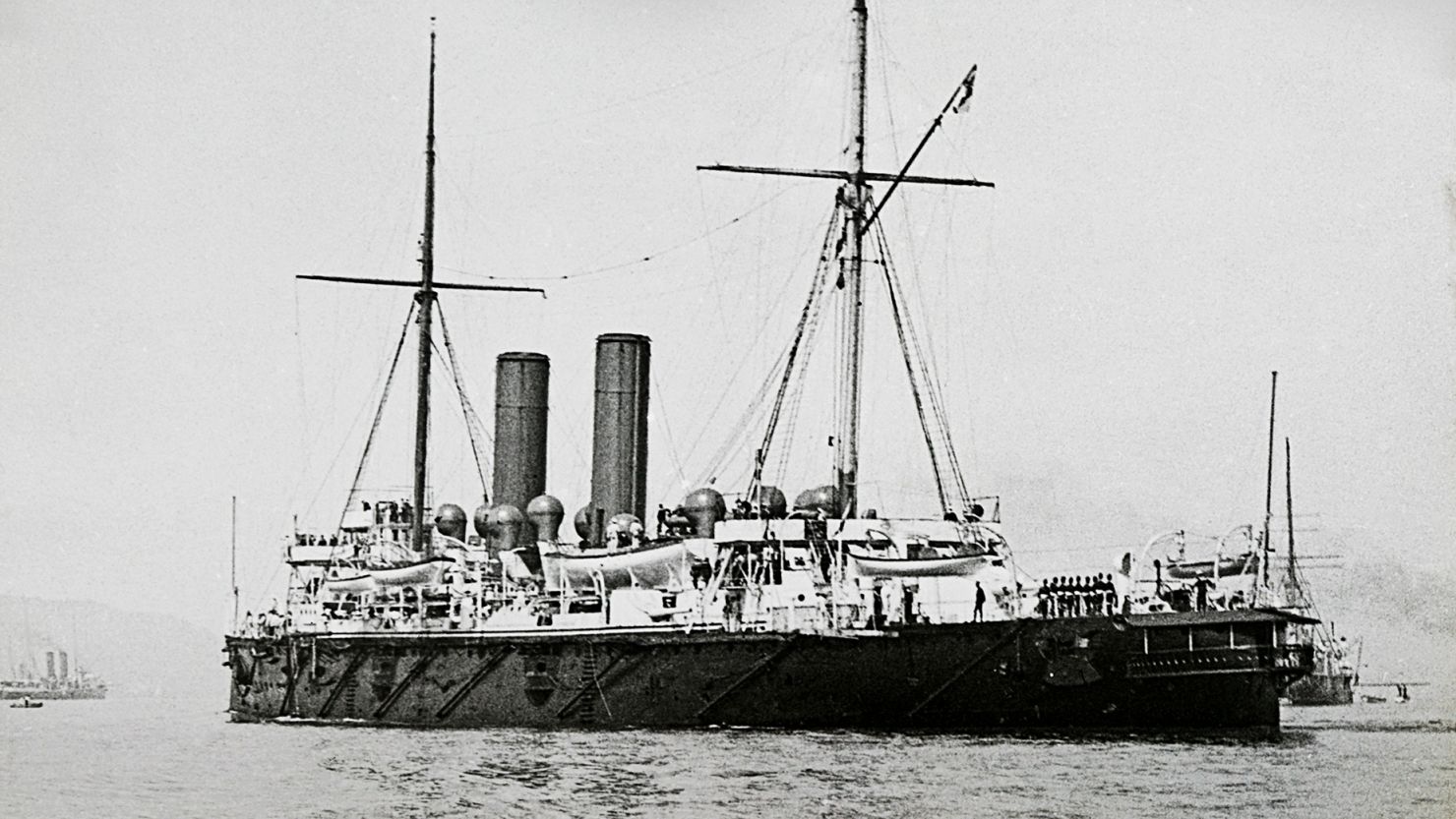
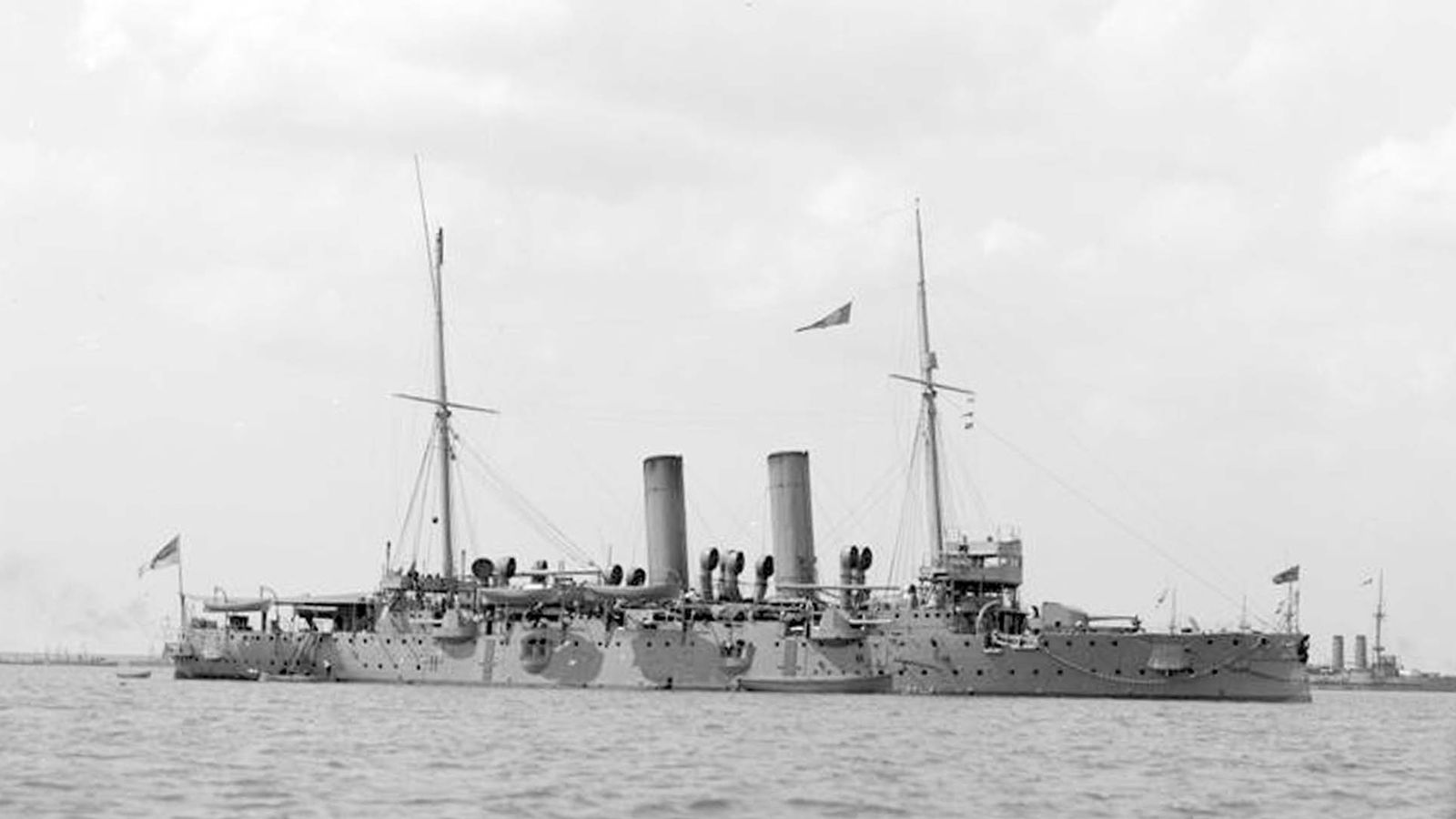
HMS Hawke, an Edgar-class protected cruiser launched in 1891, had been in service for more than two decades before meeting her tragic fate. Despite the years spent submerged, much of the ship remains intact, defying the usual deterioration seen in century-old wrecks. The teak decking, a signature feature of the ship’s construction, is still largely in place, and the captain’s walkways remain secure on the stern. Even more astonishing is that many of the portholes were found open, revealing rooms filled with preserved artifacts.
Steve Mortimer, one of the divers involved in the project, described his awe upon discovering the wreck’s remarkable condition. “She clearly was taken completely by surprise because a lot of the portholes are still open,” he said. “You can look into the portholes and see rooms with artifacts—teacups, bowls, and plates just there on the floor.” These relics provide an eerie snapshot of the moment the ship went down, with sailors likely having been inside those very rooms when disaster struck.
The sinking of HMS Hawke occurred during the early days of World War I, a time when the naval war was still taking shape. The ship had been patrolling as part of the Royal Navy’s 10th Cruiser Squadron, enforcing a blockade against Germany. On the morning of October 15, 1914, HMS Hawke had just completed a mail transfer with the USS Endymion when it came under attack. A single torpedo from the German Type U-9 submarine struck the starboard side of the ship, causing immediate and catastrophic damage. Within minutes, the cruiser was swallowed by the sea, leaving little chance for most of the crew to escape.
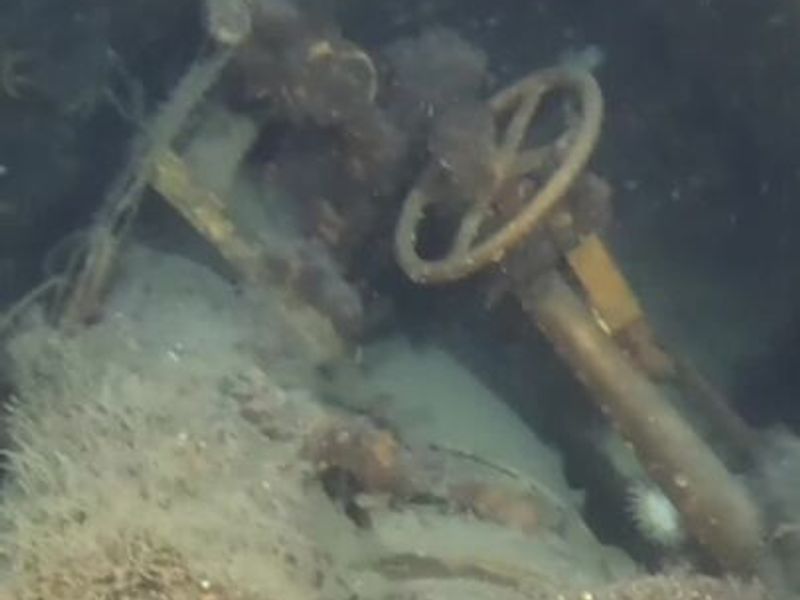
The discovery of HMS Hawke was the result of meticulous research and a bit of luck. The Lost in Waters Deep team used historical records from 1914, including the logs of the U-boat commander responsible for the attack, to identify a potential search area. They also examined reports from Scottish fisheries in the 1980s that had noted an “obstruction” on the seabed near the suspected location of the wreck. After carefully narrowing down the search area, the team finally found the ship, bringing an end to over a century of speculation about its final resting place.
One of the reasons HMS Hawke has remained in such good condition is the environment of the North Sea. The nutrient-poor waters have limited the growth of marine organisms that typically degrade shipwrecks over time. “It’s a really remarkable time capsule,” Mortimer remarked, emphasizing the historical and archaeological significance of the discovery. The ship’s guns, as well as Royal Navy crockery and other artifacts, remain undisturbed on the seabed, preserving a moment frozen in time.

For historians and naval researchers, the discovery offers an invaluable look into the realities of World War I-era naval warfare. The ship’s condition allows for detailed study, providing insights into the construction, daily life, and final moments of a Royal Navy cruiser at war. But beyond its historical importance, the wreck serves as a solemn war grave, a place where over 500 men lost their lives in service to their country.
The story of HMS Hawke is one of both tragedy and remembrance. The ship’s rediscovery ensures that the sacrifice of its crew will not be forgotten, offering future generations the opportunity to learn from and honor the past. While the wreck remains a protected site, it stands as a lasting memorial to those who served aboard her. The discovery is not just about solving a historical mystery—it’s about keeping history alive.


Comments
Post a Comment