Stocks plunge, market closes down on recession fears amid escalating tariffs
Stock Market Plunge Sparks Recession Fears
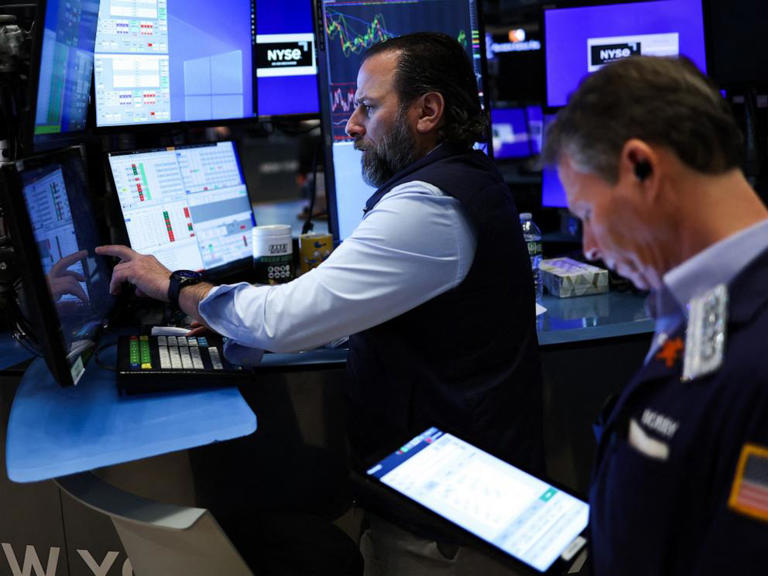
On Monday, March 10, 2025, U.S. stock markets experienced a severe downturn, fueling concerns over a possible recession. The Dow Jones Industrial Average (DJIA) dropped by 890 points (2.1%), closing at 41,911.71. The S&P 500 declined 2.7%, settling at 5,614.56, while the tech-heavy Nasdaq Composite suffered the most significant loss, plummeting 4% to 17,468.32. The widespread selloff extended losses from the previous week, raising alarms across financial markets.
Factors Contributing to Market Anxiety
One of the primary drivers of this selloff is escalating trade tensions. President Donald Trump's recently imposed tariffs on key trading partners, including Canada, Mexico, and China, have sparked retaliatory measures. On Monday, China imposed tariffs on U.S. imports such as chicken, wheat, and soybeans. Meanwhile, Ontario's Premier Doug Ford announced a 25% surcharge on electricity exports to U.S. states like New York, Minnesota, and Michigan in response to ongoing trade disputes.
These trade policies have created an atmosphere of uncertainty, prompting investors to reconsider economic growth prospects. Speaking in a televised interview on Sunday, President Trump admitted that tariffs could bring about a "period of transition" but refrained from ruling out the possibility of a recession. When pressed further, he stated, "I hate to predict things like that… Who knows?" His reluctance to provide reassurance only added to investor unease.
Tech and Airline Sectors Take a Hit
The downturn was particularly severe in the technology sector, with Tesla suffering a 15% decline in stock value. Major airlines were also affected, with United Airlines and Delta Air Lines stocks falling over 4%, reflecting concerns about reduced consumer spending on travel.
The broader economic slowdown has further impacted corporate earnings expectations. Analysts warn that prolonged trade disputes and slowing consumer demand could lead to weaker profit margins for companies across multiple sectors.
Economic Indicators Show Mixed Signals

Beyond stock market turmoil, several economic indicators have pointed to increasing risks of a recession. A recent jobs report revealed that U.S. employers added only 151,000 jobs last month—falling short of the expected 170,000.
Moreover, a key consumer confidence index recorded its largest monthly drop since August 2021, according to the Conference Board. The percentage of consumers expecting a recession within the next year reached a nine-month high, reflecting growing public concern.
However, not all indicators are negative. Mortgage rates have dropped for seven consecutive weeks, with the average 30-year fixed rate now at 6.63%—its lowest level since December. Additionally, consumer sentiment regarding current business conditions has slightly improved, suggesting that some sectors of the economy remain resilient.
Analysts' Perspectives on Recession Risks
Financial analysts remain divided on the likelihood of a recession. Goldman Sachs has raised its recession probability forecast, citing the impact of trade policies and declining business investment. Morgan Stanley, on the other hand, has downgraded U.S. growth projections, reflecting concerns over weakening demand and slowing corporate earnings.
Despite these concerns, some economists believe that underlying strengths in the labor market and consumer spending could prevent a full-scale recession. However, the ongoing market volatility and unpredictable trade policy decisions are keeping investors on edge.

Government Response and Uncertainty Ahead
The White House has attempted to reassure the public, with officials emphasizing the fundamental strength of the U.S. economy. However, contradictory messages on trade policy and economic strategy have only added to the market's uncertainty. While the Trump administration insists that tariffs will ultimately benefit the economy, financial markets remain skeptical about the short-term impact.
Conclusion
The current economic landscape presents a complex mix of risks and opportunities. While some indicators suggest continued growth, the escalating trade war, declining consumer confidence, and volatile stock market performancehave increased fears of an impending recession. Investors and businesses alike will be closely watching economic data and government policy decisions in the coming months to assess whether the U.S. economy is heading toward a temporary slowdown or a full-blown downturn.


Comments
Post a Comment